
Titanium Foil RFQ Checklist: 10 Details to Confirm Before Requesting a Quote
- Titanium Foil RFQ Checklist
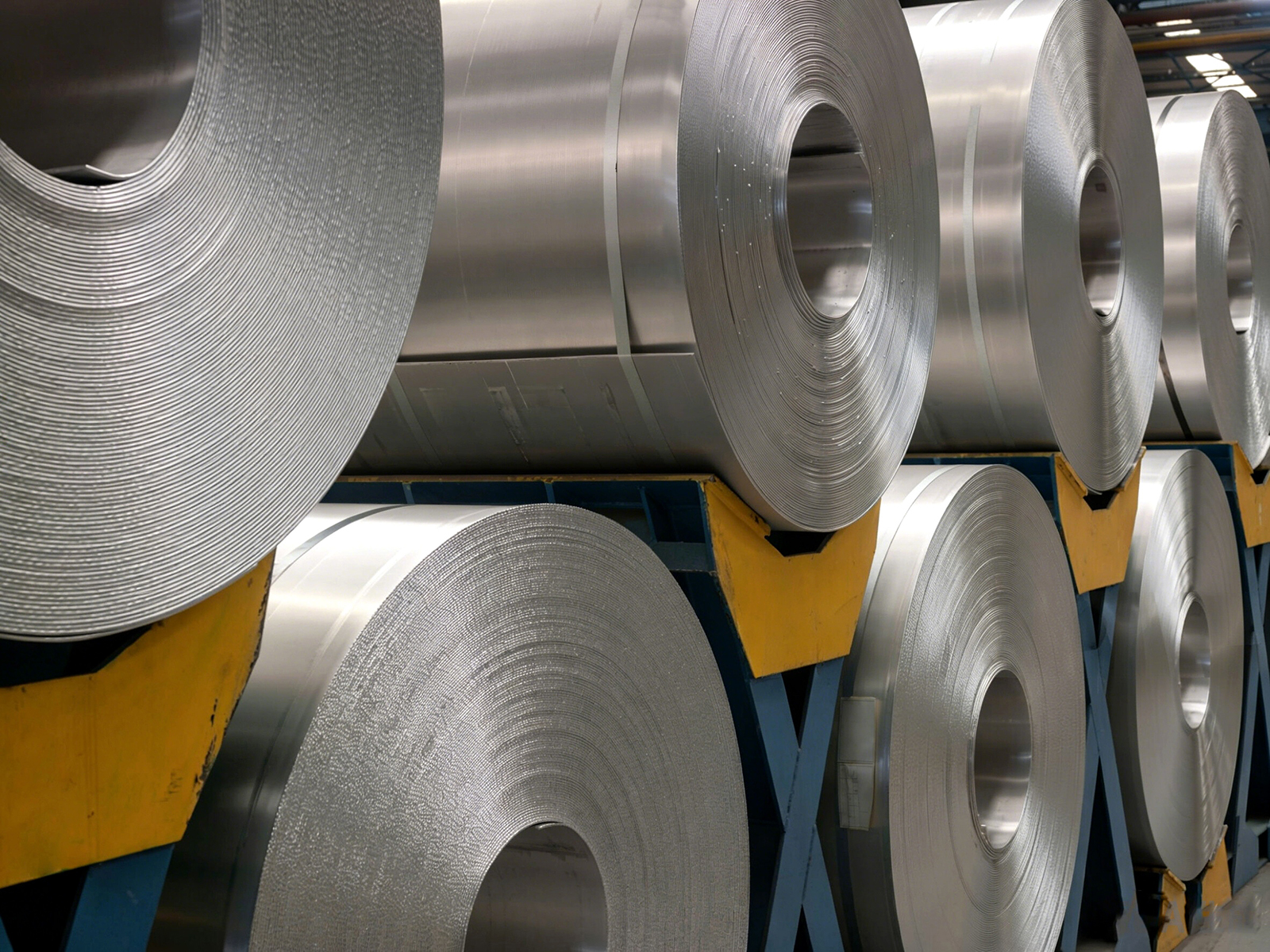
A complete titanium foil RFQ helps a buyer receive a quotation that matches the intended application, inspection needs, and delivery format. The most useful request is not simply “titanium foil, please quote”; it defines the material, dimensions, tolerances, condition, quantity, and documentation needed for the job.
This checklist is designed for purchasing teams, engineers, and fabricators who need to compare titanium foil offers on a like-for-like basis. For available forms and related products, start with the Titanium Foil product category.
1. State the titanium grade or material designation
Specify the grade required by the drawing, specification, or application. If the grade is not fixed yet, describe the service environment and the property that matters most, such as formability, corrosion resistance, strength, or compatibility with a downstream process. This gives the supplier a basis for discussing suitable options rather than assuming a grade.
2. Define thickness and the allowed tolerance
Thickness is often the first dimension checked for foil, but nominal thickness alone is not enough for a controlled purchase. Include the permitted positive and negative tolerance, the measurement method if it is defined by your quality system, and whether thickness must be consistent across the full width and length of the supplied material.
If the foil will be stamped, formed, etched, welded, or laminated, identify that process in the RFQ. Process information helps the supplier understand which tolerance and condition questions need to be resolved before production.
3. Specify width, length, and delivery form
State whether the material is required in coils, strips, sheets, or cut blanks. For coils, include the preferred inside diameter, maximum outside diameter, winding direction if relevant, and acceptable coil weight. For sheets or cut lengths, provide width, length, quantity per size, and any limit on burr direction or edge orientation.
4. Describe surface and cleanliness expectations
Use clear, inspection-ready wording for the surface condition. Examples include a specified finish, a clean and dry surface, protective interleaving, or restrictions on visible scratches, stains, oil, or handling marks. If cosmetic acceptance is critical, supply a reference image, approved sample, or written acceptance standard with the RFQ.
5. Include edge, flatness, and shape requirements
Thin foil can be sensitive to edge condition and handling. Identify whether slit edges, trimmed edges, camber limits, flatness limits, or a specific edge quality are required. If these requirements are not stated, quotations may be based on standard commercial practice rather than the needs of a precision operation.
6. Identify required tests and documents
List every document needed at shipment, such as a material test report, certificate of conformity, dimensional inspection record, packing list, or customer-specific report. If your purchase order calls for a particular standard, revision, or test method, include it in the RFQ so the quotation can identify any additional inspection or documentation work.
7. Explain the end use without disclosing unnecessary proprietary details
A short description of the end use helps identify practical issues early. For example, mention whether the foil will be formed, welded, chemically processed, used in a clean assembly, or supplied for a prototype versus repeat production. You do not need to disclose confidential design information; the goal is to clarify the manufacturing and quality context.
8. Give quantity, delivery location, and timing
State prototype and production quantities separately when both are needed. Include the requested delivery location, target delivery date, preferred shipment terms if known, and whether partial deliveries are acceptable. This helps suppliers evaluate packaging, transport, and production scheduling along with the material requirement.
9. Use a copy-and-paste RFQ format
Material / grade:
Product form: coil / strip / sheet / cut blank
Thickness and tolerance:
Width and tolerance:
Length or coil requirements:
Surface / cleanliness requirement:
Edge, flatness, or shape requirement:
Applicable standard or drawing revision:
Required testing and documents:
End-use process or application context:
Quantity and repeat demand:
Delivery location and required date:
Packaging requirements:
10. Link the RFQ to the right product review
For a grade-specific starting point, review the available Gr2 Titanium Foil product information. A complete RFQ can then be reviewed against the requested grade, form, and inspection scope before a quotation is prepared.
Requesting a more comparable quotation
The best RFQs make the commercial comparison easier: each supplier is quoting the same grade, dimensions, tolerances, delivery form, documents, and quantity. If one of these points is undecided, identify it as open for recommendation rather than leaving it unstated. You can send your requirements through the contact page for a requirement review.