
What Are the Typical Thickness Specifications for Nickel 200 Foil?
- Nickel 200 Foil
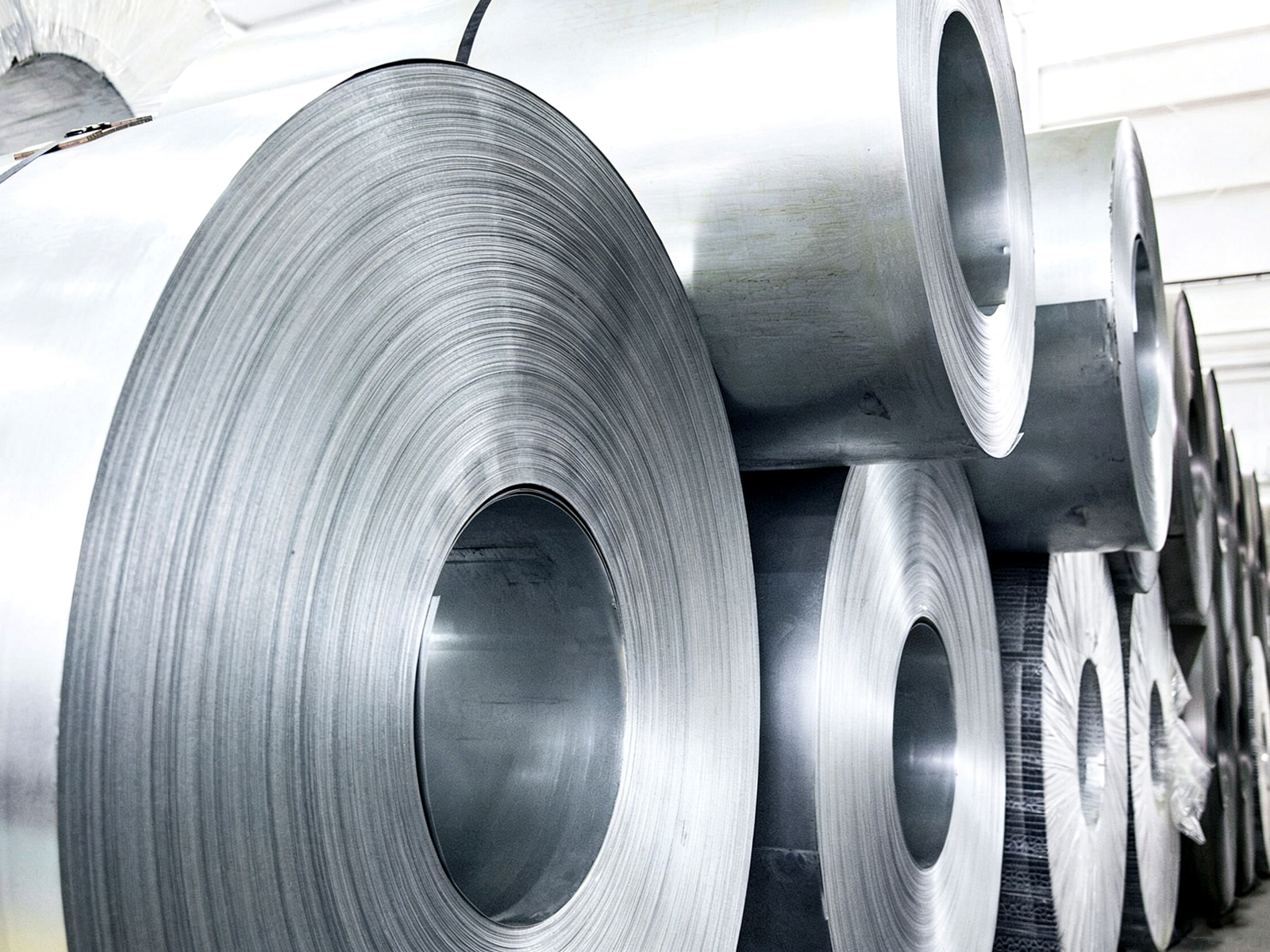
Typical Nickel 200 foil thicknesses can generally be grouped into three ranges. The standard industrial range is 0.03-0.8 mm and is widely used for battery tabs, EMI shielding, and chemical electrodes. The conventional custom range is 0.01-0.03 mm and is commonly used for precision electronic connectors and conductive structural parts. The ultrathin precision range is 0.005-0.01 mm and is intended for microsensors, high-end medical equipment, and aerospace precision components. Width is typically available from 350 to 670 mm, and length can be customized to suit the application. Together, these gauges cover applications ranging from heavy chemical equipment to microelectronic components while maintaining stable electrical conductivity and corrosion resistance.
1. How Are Nickel 200 Foil Thickness Specifications Commonly Classified?
(1) What Are the Application Characteristics of Standard Industrial Gauges?
Nickel 200 Foil in the thickness range 0.03-0.8 mm forms the workhorse gauge tape for industrial applications. Foils in this range are produced through a multi-pass precision cold rolling process and can maintain a thickness tolerance of +/-0.001 mm. In the field of new energy batteries, the 0.05-0.1 mm specification is widely used in the manufacture of power battery tabs and connectors. Its excellent conductivity (conductivity is about 14% IACS) ensures the stability of current transmission. The chemical electrolysis industry prefers medium-thick specifications of 0.3-0.5 mm. This type of foil shows excellent corrosion resistance in strong alkaline electrolytes (such as 30% NaOH solution, 80℃), and its service life can be 3-5 times that of ordinary 304 stainless steel.
(2) What Processing Advances Support Precision Custom Gauges?
Customized specifications of 0.01-0.03 mm represent an important breakthrough in foil processing technology. Producing products in this thickness range requires overcoming significant work hardening problems – each cold rolling increases the material’s yield strength by 40-60MPa. The intermediate annealing process (heat preservation at 800-900℃ in an inert atmosphere) can restore the plasticity of the material. For specifications below 0.05 mm, the elongation after annealing can reach 18-22%, while the elongation for specifications above 0.05 mm can remain above 25%. This type of thin-gauge foil is mainly used in the electronic and electrical industry to make precision connectors, flexible circuit board shielding layers and micro-switch contacts. After ultrasonic cleaning on its surface, the surface tension can be stabilized at 44 dynes/cm, ensuring the reliability of subsequent electroplating or welding processes.
(3) What Manufacturing Capabilities Are Required for Ultrathin Foil?
The manufacturing of 0.005-0.01mm ultra-thin Nickel 200 Foil represents the pinnacle of precision rolling technology. This type of product needs to be equipped with a 20-roll finishing mill, which is achieved through extremely thin rolling with up to 15-20 passes. The key technical difficulty lies in plate shape control – ultra-thin materials can easily produce wavy or wrinkle defects. Through the hydraulic AGC (automatic thickness control) system and tension distribution optimization, the transverse thickness difference of the 670 mm width foil can be controlled within 1 micron. This type of ultra-thin foil is mainly used in elastic diaphragms of miniature sensors in the aerospace field, biocompatible coating substrates for medical implant equipment, and conductive structural layers of high-end MEMS (microelectromechanical systems) sensors. It should be noted that the pressure-bearing capacity of ultra-thin foil materials needs to be evaluated when used for sealing gaskets, and it is usually recommended to use them with a support structure.
2. How Do Physical Properties Change Across Different Thickness Ranges?
(1) How Does Thickness Affect Strength and Ductility?
The thickness of the foil directly affects its mechanical properties. The tensile strength of Nickel 200 Foil in the annealed state (M state) with a thickness of 0.8 mm is usually in the range of 370-420MPa, and the elongation can reach 30-35%, which is suitable for deep drawing forming. When the thickness is reduced to less than 0.1 mm, since the grain size is close to the material thickness, a “size effect” will occur – the tensile strength increases to 450-500MPa, but the elongation drops to 18-22%. Due to the increase in dislocation density, the strength of cold-rolled (Y state) foil can be further increased to 500-600MPa, but the plasticity is reduced to 8-12%, making it more suitable for elastic contacts that require high rigidity. This gradient in mechanical properties requires designers to select appropriate specifications for the specific application.
(2) How Does Thickness Influence Electrical Performance?
Nickel 200 material with purity ≥99.6% has inherently excellent conductive properties, but the thickness of the foil will affect the resistance performance in practical applications. According to the basic parameters of resistivity ρ = 17 × 10⁻⁸Ω·m, the resistance per unit length of a foil with a thickness of 0.05 mm and a width of 10 mm is approximately 34 milliohms/meter. In the battery tab design, contact resistance can be reduced by 50% by increasing the foil thickness to 0.1 mm, but this will increase the material cost by 23%. Electrochemical applications require a balance between conductive efficiency and economy – 0.08mm specifications are usually the preferred solution for electrolytic cell anode plates, which not only ensures current density uniformity (+/-5% fluctuation), but also controls nickel material consumption.
(3) How Does Surface Area Affect Corrosion Resistance?
While nickel 200 materials are inherently corrosion-resistant, the high specific surface area of ultra-thin foils creates new considerations. The corrosion rate of 0.01mm ultra-thin foil in strong oxidizing acid (such as concentrated nitric acid) is about 1.8 times that of 0.5mm thick foil. This is due to the accelerated chemical reaction caused by the increased surface area/volume ratio. In an alkaline environment (pH>12), the corrosion rate of each thickness specification is not significantly different, and the annual corrosion depth is less than 0.005 mm. For chemical anti-corrosion applications, it is recommended to use thickness specifications of ≥0.3 mm, which can provide a service life of more than 20 years. Sealing gaskets in food and pharmaceutical equipment can be used in 0.05-0.1 mm specifications, which not only meet the cleanliness requirements but also have sufficient durability.
3. How Is Thickness Control Achieved in Precision Rolling?
(1) What Reduction Strategy Is Used in Multi-Pass Cold Rolling?
Producing Nickel 200 Foil with different thickness specifications requires a carefully designed pass reduction rate distribution plan. Rolling from a 3 mm hot rolled billet to a 0.05 mm finished foil typically requires 12-15 cold rolling passes. In the initial stage, a large reduction rate of 30-40% is used for rapid thinning, in the intermediate stage it is reduced to 15-25% to control the work hardening speed, and in the final finishing pass the reduction rate is controlled at 8-12% to ensure thickness accuracy and surface quality. The production line equipped with a 750 mm 20-roll mill uses a combination of work rolls (60 mm in diameter) and intermediate rolls (120 mm in diameter) to evenly distribute the rolling pressure and avoid plate defects such as edge thinning or central bulging. This progressive thinning strategy keeps the final product thickness deviation within +/-1.5% of the target value.
(2) How Does Intermediate Annealing Regulate Microstructure and Properties?
After every 3-4 cold rolling passes, the accumulated strain energy will increase the material hardness by 40-50HV, and the internal stress must be released through intermediate annealing. The continuous annealing furnace uses an argon protective atmosphere, heats to 850-900℃ and holds the temperature for 2-5 minutes, and the temperature uniformity is controlled at +/-5℃. Recrystallization occurs during this process, the dislocation density drops from 10¹²/cm² to the order of 10⁸/cm², and the grain size grows to 20-50 microns. For 0.005 mm thick foil, the grain size can be controlled to be smaller than the foil thickness by optimizing the annealing process parameters to avoid performance degradation caused by grain penetration. The elongation of the foil after annealing returns to more than 30%, providing plasticity reserve for subsequent rolling. For ultra-thin specifications below 0.01 mm, the annealing temperature needs to be precisely controlled – too high will cause the grains to grow abnormally and cause surface roughness, while too low will not allow sufficient softening. Through the online thickness gauge and feedback control system, the annealing temperature can be dynamically adjusted.
(3) How Are Precision Slitting and Edge Quality Controlled?
Slitting ultra-thin foils faces unique challenges – blade wear can lead to an increase in burr height, affecting the quality of subsequent stamping or welding. Using carbide disc shears with an edge radius of ≤0.02 mm and a lateral tension of 8-12%, the burrs of 0.05 mm thick foil can be controlled within 3 microns. The slitting speed has a significant impact on edge quality: thicknesses above 0.3 mm can be slit at a high speed of 80 m/min, but ultra-thin foils of 0.05 mm need to be reduced to 30 m/min to avoid edge tearing. The online eddy current inspection system can monitor edge defects in real time (the detection depth is micron level, suitable for foils below 0.8 mm), automatically eliminate unqualified sections, and ensure that the edge quality qualification rate of rolled products is >99.5%.
Thickness Range | Rolling Passes | Intermediate Annealing Cycles | Final Elongation | Slitting Speed |
0.03-0.1mm | 12-15 passes | 3-4 cycles | ≥25% (above 0.05mm) or 18-22% (below 0.05mm) | 30-50m/min |
0.1-0.3mm | 9-12 passes | 2-3 cycles | ≥28% | 50-70m/min |
0.3-0.8mm | 6-9 passes | 1-2 cycles | ≥30% | 70-90m/min |
4. How Should Engineers Select the Appropriate Thickness Gauge?
(1) How Should Thickness Be Matched to New Energy Battery Systems?
The design of power battery tabs requires a balance between conductive performance, welding reliability and cost control. The tabs of cylindrical batteries (such as 18650 and 21700 types) usually use 0.08-0.12 mm Nickel 200 Foil. This thickness range can provide a continuous current carrying capacity of 15-20 amps and is not easy to burn through during ultrasonic welding or laser welding. The bus bars of prismatic power batteries require a larger cross-sectional area, and are usually 0.2-0.3 mm in size, and are connected to the cell terminals through multi-point resistance welding. Due to the low current density (<5A/mm²), the busbar connectors of the energy storage system can be selected with a thickness of 0.5-0.8 mm. This type of specification has better mechanical strength and is not prone to fatigue fracture in a vibration environment. It is worth noting that although ultra-thin foil (<0.05 mm) has excellent electrical conductivity, it is prone to local overheating due to skin effect under high current pulse conditions.
(2) How Should Thickness Be Selected for Corrosion-Resistant Electrolysis Equipment?
The electrolytic cell anode in the chlor-alkali industry uses 0.3-0.5 mm Nickel 200 Foil as the catalyst coating base material. This thickness can not only withstand the strong corrosion of the electrolyte (current density 3-5kA/m²), but also has sufficient mechanical rigidity to support the oxide coating (thickness 20-50 microns). The bipolar plates of water electrolysis hydrogen production devices mostly use 0.8 mm specifications, and the flow channel structure is stamped to maintain sealing under 10MPa hydrogen pressure. Electrolyzed water equipment for food processing requires extremely high material purity (Ni ≥ 99.9%) and must comply with FDA and other food contact regulations. After mirror polishing of 0.1-0.2 mm foil, the surface roughness Ra is <0.2 microns, which can prevent microbial adhesion. Ultra-thin specifications (0.02-0.05 mm) are mainly used in laboratory micro electrolytic cells. Its high specific surface area can reduce electrolysis voltage by 15-20% and improve energy conversion efficiency.
(3) How Is Nickel 200 Foil Used in Electrical Shielding and Connection Applications?
EMI (Electromagnetic Interference) shielding requires choosing the foil thickness based on the frequency range. For low-frequency magnetic field shielding (<1MHz), a thickness of more than 0.3 mm provides sufficient eddy current loss; for high-frequency electric field shielding (>100MHz), a thin foil of 0.05 mm can meet the needs because the skin depth is only a few microns. The shielding cover of the 5G base station RF module uses 0.08-0.15 mm Nickel 200 Foil, which is laser welded to form a continuous sealed cavity. The shielding efficiency can reach 80-100dB. The electromagnetic shielding layer of the flexible printed circuit board (FPC) uses ultra-thin specifications of 0.01-0.03 mm. It is compounded with adhesive and pasted on the surface of the signal layer. It does not increase the thickness of the component and can effectively suppress crosstalk. The elastic contact piece of precision connectors is usually made of 0.05-0.1 mm cold-rolled foil, and its high yield strength (>500MPa) is used to ensure that the contact resistance change is <10% after 1 million plug-and-pull cycles.
Application Area | Recommended Thickness | Primary Performance Requirement | Key Processing Requirement |
Battery Tabs | 0.08-0.12mm | Conductivity, weldability | Burr-Free Edges and a Clean Surface |
Electrolytic Anodes | 0.3-0.5mm | Corrosion resistance, mechanical strength | High flatness and strong coating adhesion |
EMI shielding | 0.05-0.15mm | Shielding efficiency, formability | Uniform thickness, laser weldable |
Precision Connectors | 0.05-0.1mm | Elasticity, contact resistance | High yield strength, surface hardness |
5. How Does the Quality Control System Ensure Thickness and Property Consistency?
(1) How Is Real-Time Online Inspection Used?
The modern Nickel 200 Foil production line is equipped with a variety of online inspection equipment to ensure strict consistency in thickness specifications. The laser thickness gauge adopts the triangulation principle and has a measurement accuracy of +/-0.5 microns. It samples 1, 000 times per second and can feed back the thickness deviation signal to the rolling mill hydraulic system in real time. X-ray fluorescence spectrometer (XRF) monitors the material composition online to ensure that the nickel content is stable in the range of 99.6-99.9%. The eddy current flaw detection system detects pores, inclusions and other defects within the micron depth of the surface layer, with a defect detection rate of >98%. Surface roughness is measured non-contactly by an optical interferometer, and the Ra value is controlled in the range of 0.2-0.8 microns. These real-time data are integrated through MES (Manufacturing Execution System) to form a complete quality file for each roll of product, which can be traced back to the raw material batch and the specific production moment.
(2) How Is Batch Stability Managed Through Statistical Process Control?
Batch-to-batch consistency of thickness specifications is monitored using SPC (statistical process control) methods. Select 20 measuring points from each production batch, calculate the thickness mean and standard deviation, and draw an X-R control chart. When 7 consecutive points are located on the same side of the center line, or a single point exceeds the 3σ control limit, the process parameter review program is triggered. Through CPK (Process Capability Index) evaluation, CPK ≥ 1.67 is required, which means that 99.99% of the product thickness falls within the tolerance zone. For ultra-thin specifications below 0.05 mm, due to the high difficulty of rolling, CPK ≥ 1.33 is allowed. Annual data shows that through continuous improvement of process capabilities, the thickness standard deviation of 0.1-0.3 mm conventional specifications has been optimized from +/-3 microns to +/-1.5 microns, and the ultra-thin specifications have improved from +/-2 microns to +/-1 microns, significantly improving product competitiveness.
(3) What Material Certification and Performance Verification Are Typically Provided?
Each batch of Nickel 200 Foil must provide complete material certification and performance test reports, and each batch must undergo metallographic analysis. The chemical composition analysis uses the ICP-OES (Inductively Coupled Plasma Emission Spectroscopy) method to detect the content of elements such as nickel, iron, copper, manganese, and silicon, with data accuracy reaching the ppm level. Mechanical property testing was carried out in accordance with ASTM B162 standards on a 100kN universal testing machine, and the yield strength, tensile strength, elongation and elastic modulus were recorded. Metallographic analysis uses optical microscopy and EBSD (electron backscatter diffraction) technology to observe the grain size distribution and texture type. Corrosion resistance is evaluated by salt spray test (ASTM B117) or immersion test, and the corrosion rate after 500 hours is recorded. These test data are compared item by item with customer technical specifications to ensure 100% compliance with the agreed indicators and provide quality assurance for high-end applications.
6. What Is the Conclusion?
The thickness specification system of nickel 200 foil covers a wide range of 0.005-0.8 mm, and each thickness range corresponds to specific performance characteristics and application scenarios. Standard industrial specifications meet the needs of large-scale batteries and chemical industry, precision thin specifications serve high-end electronic and electrical applications, and ultra-thin foils represent extreme manufacturing capabilities. Through precision rolling, intermediate annealing and strict quality control, modern production lines can stably output high-quality products with a thickness tolerance of +/-0.001 mm, supporting the technological upgrading of global new energy, chemical and electronic industries.
FAQ
Q1: What is the practical performance difference between 0.03 mm and 0.1 mm Nickel 200 foil in battery applications?
The 0.03mm specification has lower material cost and higher flexibility, and is suitable for soft-pack battery tabs; the 0.1mm specification provides greater current carrying capacity (approximately 3 times increase) and better welding reliability, and is often used for high-current connections of cylindrical and square batteries. The choice needs to balance conductivity needs with economics.
Q2: How can thickness uniformity of ultrathin foil below 0.01 mm be verified for precision electronics applications?
Use a capacitive or laser interference thickness gauge to measure no less than 21 points in the transverse direction of the foil and calculate the thickness standard deviation. Precision electronic applications require thickness deviations of ≤+/-5% and no periodic fluctuations (for 0.01 mm foil, deviations of ≤+/-0.5 microns are acceptable). Also check the thickness gradient in the 2 cm area on the edge to ensure a smooth transition to avoid stress concentration.
Q3: What Nickel 200 foil thickness is recommended for service life above 5 years in a strong alkaline environment?
Under the working conditions of 30% NaOH solution and 80℃, the annual corrosion depth of 0.3 mm thick foil is about 0.003-0.005 mm. Considering the safety factor, it is recommended to use a specification of ≥0.5 mm, which can provide a service life of more than 10 years. If space is limited, the 0.3 mm specification and regular inspection and maintenance can also meet the 5-year service life.
7. How Can You Identify a Reliable Nickel 200 Foil Manufacturer?
Baoji Titanium Nickel and Zirconium Materials Processing Co., Ltd. has annual production capacity of 3, 000 tons of ultrathin wide foil. The company operates advanced 20-high rolling equipment and continuous annealing lines and can supply the full 0.005-0.8 mm range. Products are manufactured to ASTM B162 requirements and are supplied to aerospace, new energy, and precision electronics applications. For inquiries, please contact: sales@titaniumvalleys. com
References
- China Nonferrous Metals Industry Association. Nickel and Nickel Alloy Processing Technology[M]. Beijing: Metallurgical Industry Press, 2018.
- Wang Cheng, Liu Zhengjun, Su Yunhai. Research progress on corrosion resistance of nickel-based alloys [J]. Corrosion Science and Protection Technology, 2019, 31(2): 215-222.
- Li Defu, Yin Bin. Precision rolling technology[M]. Beijing: Chemical Industry Press, 2015.
- Zhang Peng, Wang Hongtao. Performance requirements and development trends of nickel foil materials for power batteries [J]. Battery Industry, 2020, 24(5): 256-261.