
What Makes GR2 Titanium Foil a Metal Material Achieving Perfect Balance Between Performance and Cost
- Gr2 titanium foil
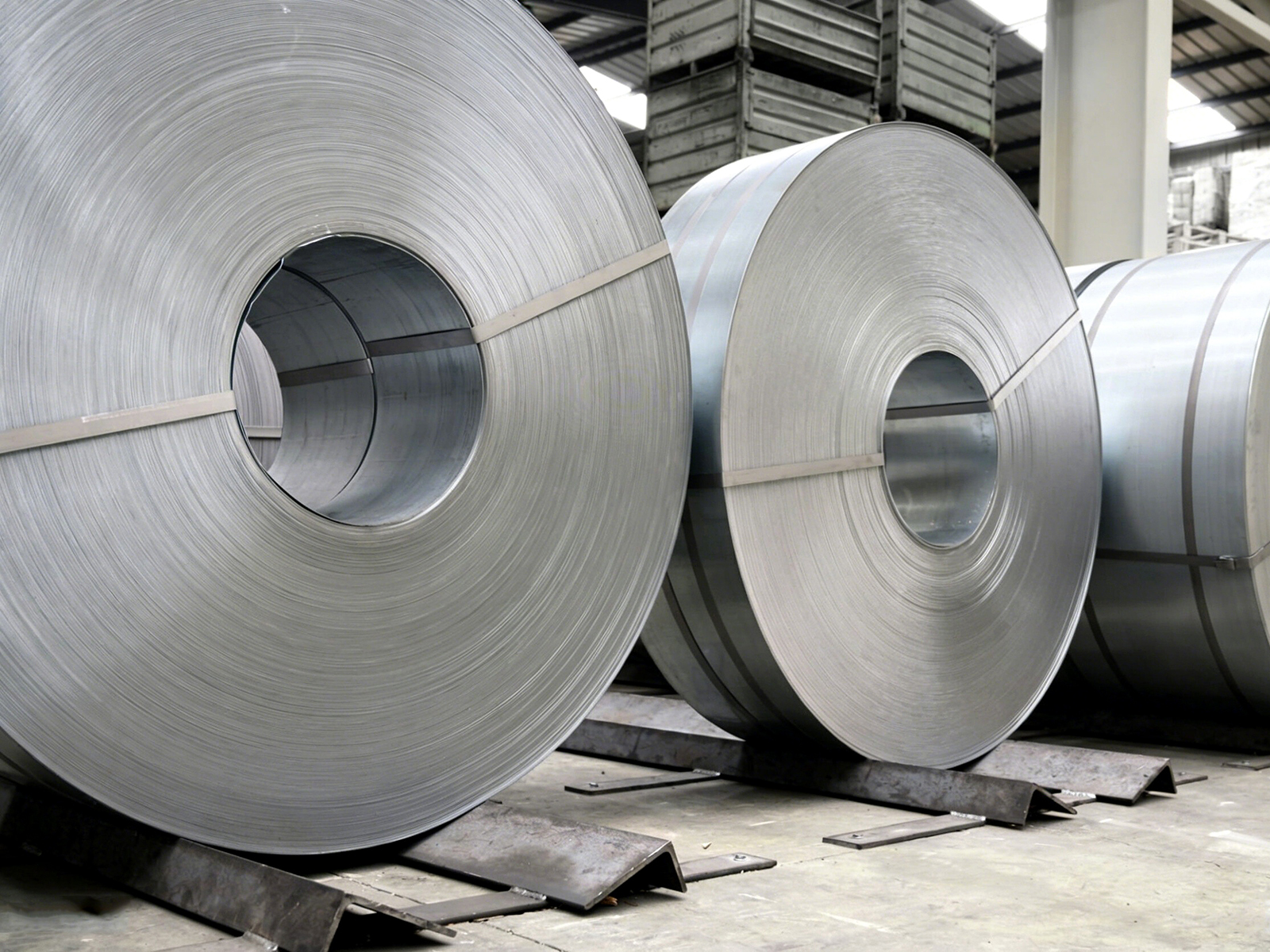
In the industrial materials field, GR2 titanium foil, as the most widely applied commercial pure titanium product, successfully achieves an ideal balance between performance and economics. This ultra-thin titanium material with purity of at least 99.2 percent, thickness range 0.02 to 1.0 mm, tensile strength of at least 415 MPa, elongation of at least 20 percent, and density of only 4.51 g/cm³, provides higher structural strength than GR1 grade (approximately 30 percent improvement) while maintaining excellent corrosion resistance, formability, and competitive pricing, making it the preferred material across chemical, marine, energy, and medical sectors.
What Are the Core Performance Characteristics That Make GR2 Titanium Foil the Industrial First Choice?
Golden Combination of Strength and Plasticity
GR2 titanium foil achieves tensile strength in the range of 345 to 483 MPa and yield strength of 275 to 410 MPa, significantly outperforming GR1 grade (approximately 25 to 30 percent improvement) and enabling higher structural load bearing. More importantly, the material maintains elongation of at least 20 percent, meaning it resists cracking during complex forming processes including stamping, bending, and deep drawing. Through 20-high precision rolling, thickness tolerance is controlled within +/-2 micrometers, ensuring dimensional consistency for precision applications.
Outstanding Corrosion Resistance Mechanism
Titanium spontaneously forms a dense TiO₂ passivation film (approximately 2 to 5 nm thick) on its surface. This oxide film possesses self-healing capability, resisting erosion from seawater, salt fog, dilute sulfuric acid, and alkali solutions. GR2 titanium foil exhibits excellent stability in the pH 3 to 10 range, with a seawater corrosion rate below 0.01 mm/year, far superior to 316L stainless steel (approximately 0.1 mm/year). In environments with chloride ion concentrations up to 20,000 ppm, GR2 shows no pitting or stress corrosion cracking, making it ideal for marine and chemical processing environments.
Lightweight and Biocompatibility Advantages
The density of 4.51 g/cm³ makes GR2 titanium foil approximately 40 percent lighter than stainless steel, significantly reducing structural weight in aerospace and automotive lightweighting applications. With a melting point of 1668 degrees Celsius, GR2 titanium foil supports long-term operation at temperatures up to 350 degrees Celsius and short-term exposure up to 540 degrees Celsius, meeting medium-temperature service requirements. The material is non-magnetic (relative magnetic permeability approaching 1), (will not produce) interference to precision instruments and electronic equipment. Biocompatibility complies with ISO 10993 standards, approved for long-term implantation in the human body for medical device applications.
How Do Production Process Breakthroughs Enable Stable Mass Production of Ultra-Thin Wide-Format Foil?
Multi-Pass Precision Rolling Technology
From titanium ingot to finished foil, the process involves hot rolling breakdown, multi-pass 20-high precision cold rolling, and other complex operations. A 750 mm 20-high precision mill with maximum rolling force of 3500 kN adjusts rolling speed according to thickness specifications, reaching up to 400 m/min for conventional thicknesses. Hydraulic automatic gauge control (AGC) systems adjust rolling parameters in real time. For ultra-thin materials (0.02 mm) springback issues, tension-reduction dynamic compensation strategies maintain thickness consistency across the entire coil.
Full-Process Surface Quality Control
Ultrasonic cleaning lines (paired with) proprietary degreasing formulas elevate surface dyne values to above 40 dyne, removing rolling oil residue and microparticle contamination. Continuous annealing lines adopt 7-zone electric heating control with argon-protected atmosphere at maximum temperature 800 degrees Celsius (pure titanium annealing range 600 to 800 degrees Celsius). Precise heating-holding-cooling curves (temperature control accuracy +/-2 degrees Celsius) eliminate cold-rolling stresses and homogenize grain size (average grain size 7 to 9 grades). Skin-pass rolling further improves flatness and surface finish.
High-Precision Slitting and Quality Traceability
For ultra-thin wide-format materials (0.02 to 1.0 mm), slitting lines are equipped with laser thickness gauges and CCD vision inspection systems, controlling width tolerance within +/-0.1 mm. Automated production lines achieve full traceability from coil number through melt batch to performance data. Every coil includes a material certificate (containing chemical composition, mechanical properties, and ultrasonic flaw detection reports). An annual production capacity of 3,000 tons, coupled with rigorous process inspection (incoming inspection, in-process patrol, final full inspection), ensures consistent product quality.
Process Stage | Key Equipment | Core Parameters | Quality Control Indicators |
Precision Cold Rolling | 750mm 20-high mill | Rolling force 3500 kN, speed adjusted per thickness | Thickness tolerance +/-2 micrometers (0.02mm thickness) |
Ultrasonic Cleaning | Ultrasonic cleaning line | Line speed 30 m/min, frequency 40 kHz | Surface dyne value above 40 |
Continuous Annealing | 7-zone electric heating annealing line | Max temperature 800 degrees C, control +/-2 degrees C | Grain size 7-9 grades |
High-Precision Slitting | Laser + CCD inspection slitting line | Thickness 0.02-1.0 mm slittable | Width tolerance +/-0.1 mm |
How Does GR2 Titanium Foil Solve Industrial Pain Points in Real Application Scenarios?
Chemical Corrosion-Resistant Equipment: Breaking Through Traditional Material Life Bottlenecks
Traditional stainless steel equipment frequently fails prematurely due to pitting and stress corrosion cracking in strong acid and alkali environments. A chlor-alkali enterprise used GR2 titanium foil as anode substrate (0.5 mm thickness) for electrolytic cells, coated with precious metal oxide layers, extending service life from 2 to 3 years (stainless steel) to 8 to 10 years. Excellent weldability (TIG weld joint strength reaching over 90 percent of base material) allows large-area field splicing installation, reducing equipment downtime for maintenance. In chlorine dioxide generation systems, GR2 titanium foil demonstrates superior resistance to chlorine dioxide, sodium hypochlorite, and other aggressive media.
Seawater Desalination Systems: Coping with High-Salinity High-Temperature Extreme Environments
Reverse osmosis seawater desalination heat exchangers and evaporators constantly contact seawater with 35,000 ppm chloride ion concentration while operating at 60 to 90 degrees Celsius. A Middle East desalination project used 0.3 mm GR2 titanium foil coils formed into multi-effect evaporator heat exchange plates (width 600 mm). Low material density reduced support structure load by 15 percent; seawater corrosion resistance achieved 25-year equipment design life. Compared to copper-nickel alloy solutions, although initial investment increased approximately 25 percent, lifecycle cost decreased by 30 percent due to eliminated maintenance and extended service life.
New Energy Electrode Materials: Improving Electrolysis Efficiency and Stability
Anode substrates for water electrolysis hydrogen production equipment must simultaneously satisfy conductivity, corrosion resistance, and mechanical strength requirements. 0.1 mm GR2 titanium foil, after surface activation treatment, serves as the anode for proton exchange membrane (PEM) electrolyzers. Resistivity of 0.56 microhm.cm ensures good conductivity; after iridium-based catalyst coating, current density reaches 2 A/cm². The material operates stably for over 20,000 hours in strong acid electrolyte (pH below 1) without passivation or delamination. A hydrogen production enterprise reported single-panel cost reduction of 35 percent by replacing imported materials with domestically produced GR2 titanium foil.
Medical Devices and Precision Electronics: Meeting Special Functional Requirements
Orthopedic implants demand materials with matched mechanical properties and excellent biocompatibility. GR2 titanium foil, with moderate strength and good flexibility, reduces stress shielding effects compared to harder titanium alloys. Flexible circuit boards and battery tabs in medical equipment benefit from GR2’s combination of electrical conductivity, corrosion resistance, and sterilization compatibility (suitable for ethylene oxide, gamma radiation, and autoclave sterilization). In precision electronic connectors, GR2 titanium foil provides reliable performance in humid and corrosive environments where copper or steel would fail.
What Customization Capabilities Does GR2 Titanium Foil Offer?
Thickness and Width Customization
Standard thickness range: 0.02 to 1.0 mm; custom ultra-thin specifications down to 0.005 mm available (special custom specification, separate quotation required, for microelectronics and optical applications). Standard width range: 15 to 680 mm; slitting precision +/-0.1 mm, meeting various equipment width requirements. Surface treatment options: cold-rolled bright surface (Ra at most 0.4 micrometers), mirror polish (Ra at most 0.1 micrometers), sandblasted matte surface (Ra 1.6 to 3.2 micrometers).
Rapid Response and Stable Supply
Automated production lines built with 36 million USD investment, annual capacity of 3,000 tons, supporting stable delivery of large-volume orders (single orders up to 50+ tons). Safety stock mechanisms maintain spot inventory of common specifications (0.1 mm/0.2 mm/0.5 mm x 300-500 mm width) exceeding 100 tons, with standard orders delivered in 7 to 10 days. Custom specifications completed through flexible scheduling systems in 15 to 25 days from raw material procurement to finished goods warehousing. Professional logistics partners ensure safe delivery to global destinations.
Conclusion
GR2 titanium foil, with its unique triple balance of strength-plasticity-corrosion resistance, has become an indispensable key material in modern industry. From chemical corrosion protection to marine engineering, from new energy electrodes to medical implants, this material continuously pushes the performance boundaries of traditional metals. Through precision rolling technology, rigorous quality control systems, and flexible customization capabilities, stable mass production of ultra-thin wide-format titanium foil has become reality, providing reliable support for global high-end manufacturing. In the pursuit of equipment longevity, system reliability, and cost optimization, GR2 titanium foil offers the optimal solution.
FAQ
Q1: What Key Advantages Does GR2 Titanium Foil Have Over Stainless Steel Foil?
The seawater corrosion rate of GR2 titanium foil is only one-tenth that of 316L stainless steel; it is 40 percent lighter than stainless steel; it does not experience pitting or stress corrosion cracking in chloride ion environments; lifecycle cost is lower; and it is suitable for harsh conditions requiring long-term service.
Q2: How to Ensure Batch Stability When Purchasing GR2 Titanium Foil?
Select manufacturers equipped with continuous annealing lines and online inspection systems. Require material certificates for every coil (including chemical composition, mechanical properties, and grain size reports). Verify full-process quality traceability capability and third-party certifications such as ISO 9001 and ASTM recognition.
Q3: Can GR2 Titanium Foil Be Used in High-Temperature Applications Above 350 Degrees Celsius?
Long-term operating temperature for GR2 titanium foil is recommended not to exceed 350 degrees Celsius, with short-term tolerance up to 540 degrees Celsius. For sustained high-temperature conditions (above 400 degrees Celsius), titanium alloys such as Ti-6Al-4V are recommended, or consult the supplier to evaluate material suitability and oxidation behavior under specific service conditions.
Finding a Reliable GR2 Titanium Foil Supplier
Baoji Titanium Valley Titanium Nickel Zirconium Material Processing Co., Ltd., as a professional manufacturer, operates automated production lines with annual capacity of 3,000 tons and a comprehensive quality system. Custom processing services are available for thickness 0.02 to 1.0 mm and width 15 to 680 mm. Whether you need chemical corrosion protection, seawater desalination, or new energy electrode materials, we provide high-quality products and technical support compliant with ASTM B265 standards. Contact us immediately for detailed specifications and quotations: sales@titaniumvalleys.com
For a broader view of available grades, supply forms, and related specifications, explore our Titanium Foil category.
For product-level details and supply options, you can also review our ASTM F136 Gr5 Eli (Gr23) Titanium Foil page.
References
Zhao Yongqing, Hong Quan, Ge Peng. Titanium and Titanium Alloy Metallographic Atlas [M]. Changsha: Central South University Press, 2011.
Li Xianjun, Wang Yongqiang. Production and Application of Commercial Pure Titanium Plate and Strip [M]. Beijing: Chemical Industry Press, 2018.
Wu Quanxing. Titanium Processing Technology [M]. Beijing: Metallurgical Industry Press, 2009.
China Nonferrous Metals Industry Association Titanium Zirconium Hafnium Branch. China Titanium Industry Development Report [M]. Beijing: Metallurgical Industry Press, 2022.