
What Specifications and Grades of Nickel 200 Wire Are Available?
- Nickel 200 Wire
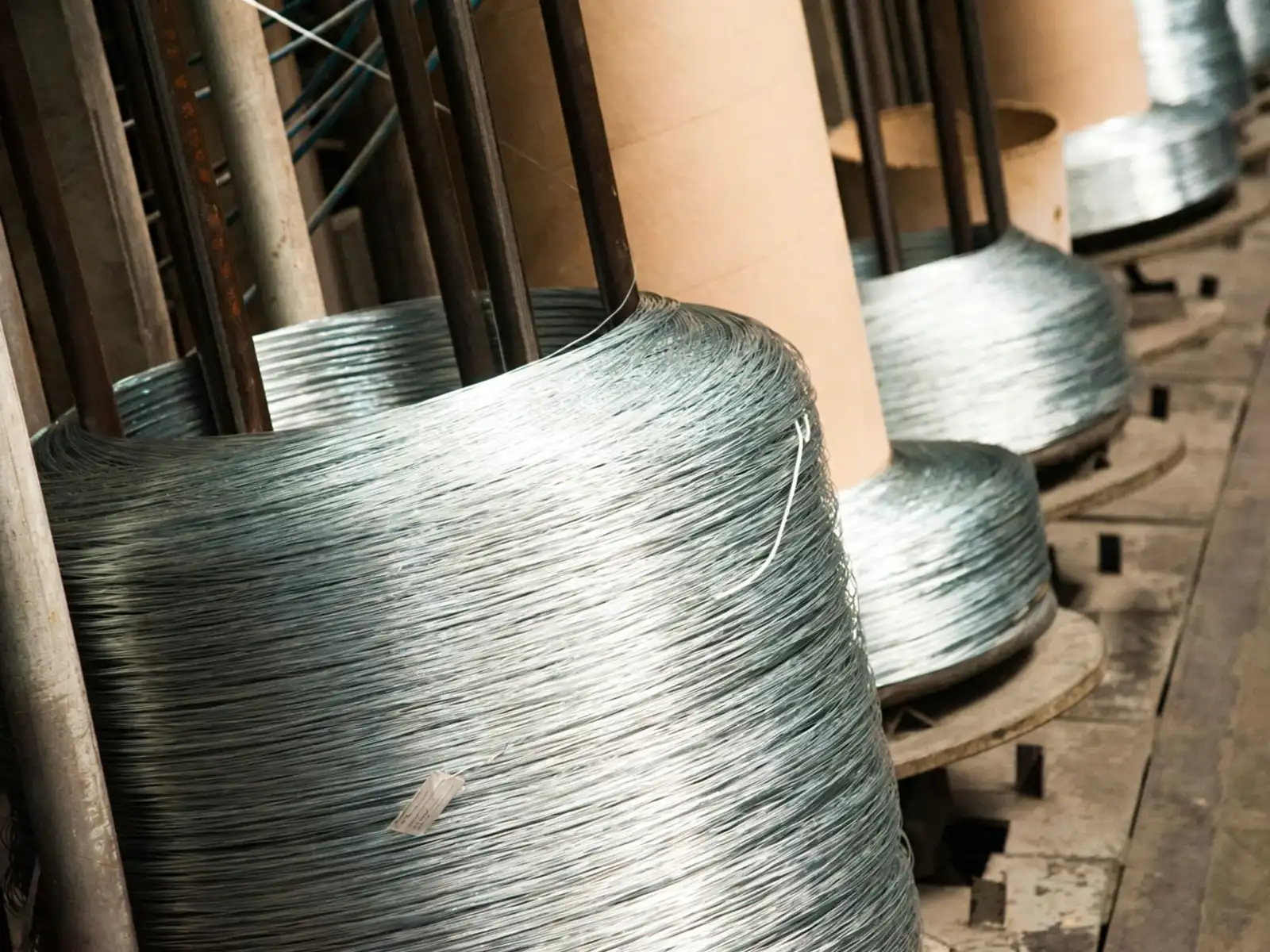
As a representative product of industrial pure nickel, nickel 200 wire has a variety of standard grade systems around the world. Its core grades include the American standard Nickel 200, the globally unified number UNS N02200, and the European standard Ni99.5 (2.4060). These grades essentially refer to the same material – high-purity nickel wire with a nickel content of no less than 99.5%. In terms of specifications, the diameter range of Nickel 200 Wire covers φ0.5mm to φ30mm (ultra-fine wire and conventional wire). It can be supplied in two forms: coiled wire and straight wire. The surface treatment covers glossy surface, semi-glossy surface, pickled surface and polished surface. For rod products with larger diameters (such as φ50mm and above), they belong to the nickel rod series. This flexible specification system can meet the differentiated needs of chemical corrosion resistance, electronic conductivity, medical equipment, precision machinery and other fields.
1. What Should You Know About Analysis of the International Standard Grade System of Nickel 200 Wire?
(1) What Should You Know About Nickel 200 Positioning in the American Standard System?
The American Society for Testing and Materials (ASTM) defines Nickel 200 as the benchmark grade for commercial pure nickel. The main implementation standards include ASTM B161 (seamless tube and rod standard) and ASTM F72 (nickel standard for medical devices). This grade requires nickel plus cobalt content ≥99.5%, carbon content ≤0.10%, and sulfur content ≤0.005%. This high purity characteristic enables it to exhibit excellent corrosion resistance in strongly alkaline environments and reducing media, and is particularly suitable for the manufacture of electrolyzer components in the chlor-alkali industry and heat exchanger manufacturing in the petrochemical industry.
(2) What Should You Know About the Cross-border Versatility of the Globally Unified Number UNS N02200?
UNS N02200 is the unique identification code assigned to nickel 200 by the North American Uniform Numbering System for Metal Materials. This number plays an important role in international trade, helping buyers quickly identify material grades and avoid confusion caused by differences in standard systems. This number fully corresponds to European standard 2.4060 and Japanese standard JIS H 4551, allowing the same batch of products to meet the certification requirements of the US, EU and Japanese markets at the same time, significantly reducing the compliance costs of transnational supply chains.
(3) What Should You Know About Technical Characteristics of European Standard Ni99.5 (2.4060)?
The European standard EN 10204 marks Nickel 200 as material number 2.4060, emphasizing the integrity of the material certificate. The standard requires a 3.1 certificate, which contains chemical composition analysis, mechanical property testing and heat treatment records of the smelting batch. The European market has strict requirements on the surface quality of nickel wire. It usually requires no oxide layer, no cracks, and straightness meeting higher standards (such as common requirements ≤1mm/m). This high standard allows products that comply with the 2.4060 specification to be directly used in sensor components in the German automotive industry and elastic elements in Swiss precision instruments.
2. What Are the Technical Specifications for Diameter Ranges and Dimensional Tolerances?
(1) How Is Industrial Application Scenarios with Conventional Diameter Specifications?
The conventional diameter range from φ4mm to φ30mm covers more than 80% of the market demand for nickel 200 wire. φ4-8mm wire is mainly used for welding filler materials and electroplating anode rods. Its smaller diameter facilitates melting and uniform plating. The φ10-20mm specification is suitable for the field of mechanical processing and can be turned into precision shaft parts or cold-formed into corrosion-resistant fasteners. φ25-30mm large diameter wire is mainly supplied to the aerospace field and is used to manufacture support frames for high-temperature furnaces and heating elements for vacuum heat treatment equipment.
Table 1: Comparison table of conventional diameters and typical applications of nickel 200 wire
Diameter range | General tolerance levels | High precision tolerance level | Main application areas | supply form |
φ4-8mm | +/-0.02mm | +/-0.01mm | Welding consumables/electroplating anodes | Pansi |
φ10-20mm | +/-0.03mm | +/-0.01mm | Machining/Fasteners | Straight wire |
φ25-30mm | +/-0.05mm | +/-0.02mm | High temperature stove/support | Fixed length straight wire |
Note: The high-precision tolerance level is applicable to soft wire materials (regular +/-0.01mm) or hard wire materials (up to +/-0.005mm) with special requirements.
(2) What Should You Know About Special Processing Technology for Large Diameter Rods?
Large-diameter nickel rods above φ50mm require multi-pass hot rolling and precision cold drawing processes. Through the continuous rolling production line, the automation rate exceeds 90%, and it can stably produce ultra-large diameter nickel rods of φ200mm. After sawing and surface finishing, these large-sized products can be directly used in stirring shafts for chemical containers, corrosion-resistant bolts for marine engineering, and high-current busbars for electrical equipment. Its structure density and performance uniformity far exceed those of traditional cast products.
(3) What Are the Dimensional Tolerance Control and Measurement Methods?
Tolerance control of high-precision nickel wire relies on online monitoring of laser calipers and precise control of the annealing process. For soft nickel wire, the conventional tolerance can be controlled at +/-0.01mm; while for cold-drawn hard wire, by precisely controlling the diameter reduction rate, the ultra-precision tolerance of +/-0.005mm can be achieved. This dimensional consistency is crucial for automated assembly of electronic components, and can significantly improve the yield rate of lithium battery tab welding and the assembly efficiency of connector shrapnel. Micrometer multi-point detection is required during measurement to ensure that the diameter fluctuation of the entire wire does not exceed 0.02mm.
3. What Are the Comparison of Surface Treatment Status and Performance Differences?
(1) What Should You Know About Characteristics and Preparation Process of Bright Surface Wire?
Bright surface nickel wire is obtained by bright annealing and electrolytic polishing, and the surface roughness Ra can reach less than 0.2 um. This mirror effect not only improves the aesthetics of the product, but more importantly reduces surface micro-cracks and stress concentration points, extending fatigue life. Bright surface wire is widely used in the fields of medical guide wires and precision springs. Its low friction coefficient allows implantable medical devices to pass through vascular channels more smoothly while reducing mechanical stimulation to biological tissues.
Table 2: Comparison of performance parameters of different surface treatment states
surface state | RoughnessRa | Oxide layer thickness | Conductivity(%IACS) | Applicable scenarios |
shiny side | ≤0.2um | <5nm | ≥20% | Medical equipment/precision spring |
pickled noodles | 0.4-0.8um | none | ≥18% | Welding materials/plating base materials |
polished surface | ≤0.1um | <3nm | ≥22% | Semiconductor leads/probes |
(2) What Are the Cost Advantages of Pickled Surface and Semi-glossy Surface?
Pickled surface nickel wire uses a nitric acid-hydrofluoric acid mixture to remove surface oxide scale, and the cost is about 15-20% lower than that of the bright surface. The surface obtained by this treatment method is slightly hazy, but it fully meets the requirements for the use of welding filler materials and electrolytic plating anodes. The semi-bright surface is an economical process that combines mechanical polishing and light pickling. The surface presents a semi-mirror effect. It is suitable for conductive connectors and hardware accessories that have certain requirements on appearance but are cost-sensitive. It should be noted that the core difference between the semi-glossy surface and the pickled surface is that the surface of the pickled surface is uniformly foggy and matte, while the semi-glossy surface has lower gloss and slight reflectivity.
(3) What Should You Know About Functional Improvements in Special Surface Treatments?
Some high-end application scenarios require passivation treatment or nano-coating modification of nickel wire. Passivation treatment can form a dense nickel oxide protective film on the surface, further improving the resistance to pitting corrosion in seawater environments. The nano-ceramic coating can improve the stability of the wire in high-temperature oxidizing atmospheres and increase the upper limit of use temperature from 600℃ to 800℃. These functional surface treatment technologies are gradually being verified and applied in aerospace engine sensors and new energy vehicle battery management systems.
4. What Are the Mechanical Property Selection Criteria for Soft and Hard States?
(1) What Are the Plastic Processing Advantages of Soft Annealed Wire?
Soft nickel 200 wire has been completely recrystallized and annealed. The tensile strength is usually 350-450 MPa, the elongation is ≥30%, and the hardness is 85-95 HB. This low-strength and high-plasticity state is very suitable for plastic deformation processing such as cold heading, cold drawing, and winding. Coil winding of electronic transformers, thread processing of chemical pipelines, and spring forming of precision instruments all rely on the good formability of soft wire. The annealing temperature is controlled between 650-750℃, and the holding time is adjusted according to the diameter to ensure uniform grain size and no overburning.
(2) What Are the Strength Improvement Mechanism of Cold-drawn Hard Wire?
Cold drawing processing improves the strength of nickel wire through dislocation proliferation and lattice distortion. The tensile strength of hard wire can reach 600-750 MPa, but the elongation is reduced to 10-15%. This high-strength and low-plasticity state is suitable for direct use scenarios that do not require secondary processing, such as resistance welding electrodes, high-strength fasteners and load-bearing conductive slip rings. The cold drawing processing rate is usually controlled between 30-50%. It should be noted that excessive cold working can cause material embrittlement and processing cracks. Therefore, hard wire materials usually undergo precisely controlled multi-pass cold drawing and intermediate annealing processes before leaving the factory to balance strength and plasticity. The hard wire can be used directly after delivery without the need for annealing by the user.
(3) How Is Choose the Best Status Combination According to the Application Scenario?
The field of medical devices tends to use soft and bright wire materials to ensure that the guide wire does not produce metal debris when it bends in the body. The electronic components industry mostly uses semi-hard pickled surface wire (semi-hard refers to the state that has not been completely annealed after partial cold drawing, and its mechanical properties are between soft and hard, with good comprehensive performance) to balance conductive properties and elastic modulus. Chemical equipment manufacturers often purchase soft coiled wires and then perform welding processing on their own, while precision machinery manufacturers prefer to purchase fixed-length straight wires that have been processed into specific sizes and hardnesses. This differentiated demand drives suppliers to establish flexible heat treatment and surface treatment production lines.
5. What Are the Customized Specification Development and Batch Supply Capabilities?
(1) What Should You Know About Special Drawing Technology for Ultra-fine Wire?
Ultra-fine nickel wire below φ1mm requires multi-mode series drawing and oil film lubrication technology. The drawing speed is usually controlled at 50-100 m/min, and the diameter reduction rate of each pass does not exceed 15% (this is a conventional process parameter, which may be adjusted according to the equipment and material status in actual production) to avoid wire breakage and surface scratches. Ultra-fine wire is mainly used in bonding wires for microelectronic packaging, guide wires for minimally invasive medical devices, and sensitive components of precision sensors. The precision drawing workshop is equipped with a 12-die continuous drawing unit, which can stably produce φ0.5mm ultra-fine nickel wire, with an annual production capacity of 500 tons.
(2) What Should You Know About Special Rolling Process for Special-shaped Cross-section Wire?
In addition to conventional round wire, the market demand for square wire, hexagonal wire and flat wire is growing year by year. Square nickel wire is rolled and formed by a four-roll mill, and the side length tolerance can be controlled within +/-0.03mm. It is mainly used for the gear making of precision gears. Hexagonal wire is obtained by drawing from a rotating die and is suitable for locking bolts and special connectors. The width-to-thickness ratio of flat wire can reach 10: 1, making it an ideal material for battery tab welding and flexible circuit board connection. Special-shaped cross-sections are difficult to process and usually require customized molds and special annealing processes.
(3) What Should You Know About Quality Assurance System for Stable Supply of Large Quantities?
Table 3: Batch supply capabilities and quality control measures
Supply scale | Delivery time | Batch consistency | Quality control measures |
Sample level (<50kg) | 7-10 days | single batch | Full inspection + material report (including chemical composition and mechanical properties, the cycle may be extended due to inspection items) |
Small batch (50-500kg) | 10-15 days | +/-3% | Sampling inspection + process monitoring |
Batch level (>500kg) | 20-30 days | +/-2% | SPC control + batch traceability |
Large-scale industrial users often require suppliers to provide long-term and stable batch performance consistency. A statistical process control (SPC) system is used to conduct real-time monitoring and early warning of key parameters of each process. From the smelting of raw materials to the delivery of finished products, a batch number traceability mechanism has been established in each link to ensure that any quality issues can be located in the specific production link within 4 hours. The nickel and nickel alloy rod and wire production line with an annual production capacity of more than 20, 000 tons provides equipment guarantee and technical support for the large-scale supply of nickel 200 wire.
6. What Should You Know About Conclusion?
The specification and grade selection of nickel 200 wire involves multiple dimensions such as standard system, size range, surface condition, mechanical properties and customization capabilities. An in-depth understanding of the technical differences behind different specifications can help buyers accurately match application requirements and avoid cost waste caused by excess or insufficient performance. With the rapid development of new energy, semiconductor and high-end medical device industries, the demand for high-purity, high-precision, and special specifications nickel wire will continue to grow.
FAQ
Q1: What is the essential difference between nickel 200 wire and nickel 201 wire?
The carbon content of nickel 200 is ≤0.10%, while the carbon content of nickel 201 is ≤0.02%. Low-carbon nickel 201 has better resistance to graphitization in high temperature environments (over 315℃) and avoids embrittlement caused by the precipitation of grain boundary carbides. If chemical equipment works in the temperature range of 400-600℃ for a long time, it is recommended to use nickel 201 to extend its service life.
Q2: How to verify the true purity of nickel 200 wire?
A spectrum analyzer can be used to detect whether the nickel plus cobalt content is ≥99.5%, focusing on the content of impurity elements such as iron, copper, sulfur, and phosphorus. Regular suppliers should provide material certificates issued by third-party testing agencies, including smelting batch numbers and detailed chemical composition analysis data. A simple way to judge is to observe the surface oxidation color and test the magnetic strength – theoretically, high-purity nickel is almost non-magnetic, but in actual processing, trace amounts of iron impurities may be introduced, resulting in weak magnetism. Therefore, the magnetic strength is only for reference and should be subject to chemical analysis.
Q3: Can nickel 200 wire be directly used in strong oxidizing acid environments?
Not recommended. Nickel 200 corrodes quickly in strong oxidizing acids such as nitric acid and concentrated sulfuric acid, so nickel-chromium alloy or titanium should be used instead. Its corrosion resistance advantages are concentrated in strong alkaline solutions such as sodium hydroxide and potassium hydroxide, as well as reducing or neutral media such as hydrochloric acid and phosphoric acid. Corrosion test verification must be conducted based on specific medium composition, temperature and concentration before use.
7. What Should You Know About Contact Titanium Valley Now for Professional Nickel 200 Wire Supply Solutions?
As a professional nickel alloy material manufacturer and supplier, we have a complete nickel 200 wire production line and customized processing capabilities. We provide a full range of products from φ0.5mm ultra-fine wire to φ30mm conventional wire. We can also supply nickel rods above φ50mm, supporting small batch samples and large-scale batch supply. Feel free to send technical requests to sales@titaniumvalleys. com for samples, quotes and technical support.
References
[1] General Administration of Quality Supervision, Inspection and Quarantine of the People’s Republic of China, Standardization Administration of China. GB/T 2054-2013 Nickel and Nickel Alloy Bars[S]. Beijing: China Standards Press, 2013.
[2] General Administration of Quality Supervision, Inspection and Quarantine of the People’s Republic of China, Standardization Administration of China. GB/T 2072-2007 Nickel and nickel alloy strips and foils [S]. Beijing: China Standards Press, 2007.
[3] Zhang Qiyun, Gan Yonghua. Pure nickel and its corrosion resistance [J]. Corrosion and Protection, 2005, 26(3): 112-115.
[4] Wang Rong, Li Guoping. Research on preparation technology of high-purity nickel wire [J]. Nonferrous Metal Processing, 2018, 47(4): 22-25.