
Where Can I Purchase High Quality Nickel 200 Foil for Industrial Use?
- Nickel 200 Foil
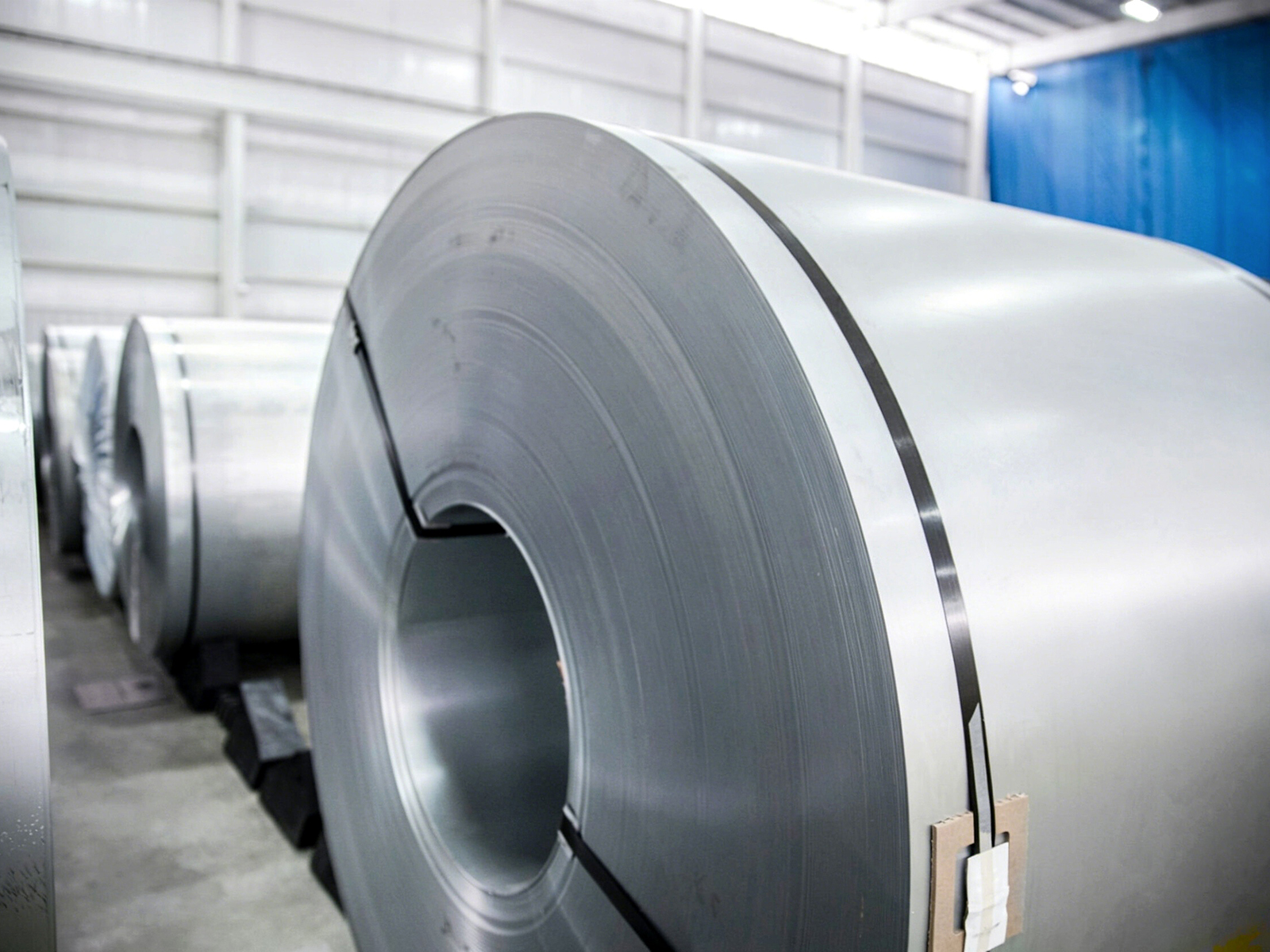
Looking for high quality Nickel 200 Foil suppliers? Baoji Titanium Valley Titanium Nickel Zirconium Material Processing Co., Ltd. is your trustworthy partner. We invested US$36.2 million to build the world’s advanced foil production line, using a 750mm 20-roll precision rolling mill to achieve stable mass production of ultra-thin wide nickel foil with a thickness of 0.03-0.8mm and a width of 350-670mm. Industrial pure nickel material with purity ≥99.6%, thickness tolerance controlled at +/-0.005mm, and annual production capacity of 1, 000 tons, providing high-performance products that comply with ASTM B162 standards for new energy batteries, chemical electrolysis, electronic and electrical industries and other industries. With continuous annealing process, ultrasonic cleaning technology and 90% automated production line, we have broken through 7 core technical problems such as ultra-thin rolling and flatness control to ensure the stability and batch consistency of each roll of products.
1. What Are the Core Performance Indicators and Purchasing Criteria for Industrial Grade Nickel 200 Foil?
(1) What Are the Purity and Chemical Composition Requirements?
The core value of Nickel 200 foil stems from its high purity characteristics. High-quality products should have a nickel content of ≥99.6%, a carbon content of ≤0.02%, and an iron content of ≤0.40%. This chemical composition ensures that the material exhibits excellent corrosion resistance in alkaline environments. When purchasing, the supplier needs to provide a complete material analysis report to verify whether the material meets the UNS N02200 standard. The control of impurity elements directly affects the conductivity and welding quality. The sulfur content must be less than 0.01% to avoid thermal processing cracking.
(2) What Are the Physical and Mechanical Property Evaluation?
The physical properties of density 8.9 g/cm³ and melting point 1455℃ make nickel 200 foil suitable for high temperature working conditions. The mechanical properties of tensile strength 370-420 MPa and elongation ≥25% in the annealed state provide sufficient plasticity reserves for stamping and bending processing. The cold working state can increase the strength to 500-600 MPa, but the elongation drops to ≥8%. When purchasing, you need to clarify the required supply status according to the application scenario – the annealed state (M) is suitable for deep processing, and the cold working state (Y) is suitable for structural support. It should be noted that the cold-worked material has a low elongation and may crack due to brittleness when used in connecting pieces that are subject to mechanical stress, so careful selection should be made. Excellent conductive properties make it outstanding in battery tab and electrode applications.
(3) What Should You Know About Dimensional Accuracy and Surface Quality Control?
Industrial applications have stringent requirements on dimensional stability. Within the thickness range of 0.03-0.8mm, the tolerance should be controlled within +/-0.005mm. For ultra-wide specifications with a width of 350-670mm, ensure that the edges are free of burrs and waves. The surface treatment status affects subsequent processing – the bright surface is suitable for precision electronics, the pickled surface improves adhesion, and the matte surface reduces optical interference. The dyne value of metallic nickel surface is usually 40-50. This is for reference only. The actual adhesion needs to be verified through specific processes. Ultrasonic cleaning combined with alkali cleaning technology can remove oil stains and oxidation layers to meet the strict cleanliness requirements of new energy batteries.
2. What Should You Know About Regional Distribution and Industrial Clusters of Global High-end Nickel Foil Supply Chain?
(1) What Should You Know About Technology-led Supplier in North America and Europe?
The United States and Germany have gathered a group of high-end suppliers with aviation medical certification, and their products strictly follow the ASTM B162/B160 standard system. These companies focus on customized production of ultra-thin specifications of 0.01-0.03mm, equipped with vacuum annealing furnaces and continuous cleaning lines to meet the demanding requirements of medical implants and aerospace sensors. European suppliers are at the forefront of materials research and development in the fields of carbon neutrality and hydrogen energy, developing special foils that can withstand high current densities for electrolyzer electrodes. However, high labor costs and energy prices result in purchase prices generally being 30-50% higher than those in the Asian market.
(2) What Should You Know About the Rise of East Asia’s Precision Manufacturing Industry Belt?
Japan has deep accumulation in the field of nickel foil for precision electronics, and its 20-roller mill technology has achieved stable mass production of ultra-thin specifications of 0.005-0.01mm. Relying on the battery industry cluster, South Korea has formed a scale advantage in tab connectors and current collector materials. The supporting slitting and coating production lines can directly deliver semi-finished products. Baoji, China, is an important town for processing rare metals. In recent years, through the introduction of Italian Danieli rolling equipment and independent technological research, it has broken through the problem of shape control of ultra-thin and wide-width foils. The foil production line invested and built by Baoji Titanium Valley has an annual production capacity of 1, 000 tons and a thickness tolerance of +/-0.005mm that has reached the international advanced level.
(3) What Should You Know About Capacity Expansion Opportunities in Emerging Markets?
As India advances its industrial upgrading strategy, it is expanding the procurement of nickel materials in the fields of chemical equipment and energy, and the demand for specific brand products such as nickel 200 foils has also increased. Relying on the transfer of electronics manufacturing industry, Vietnam’s demand for nickel foil for EMI shielding is growing rapidly. These markets currently still rely on imports, providing channel expansion opportunities for manufacturers with stable supply capabilities. Establishing a localized warehousing and technical service system can shorten the delivery cycle and reduce logistics costs. The signing of regional trade agreements also provides preferential tariff conditions for cross-border procurement.
3. How Is Nickel 200 Foil Specification Selection Guide for Different Application Scenarios?
(1) What Should You Know About Material Configuration of New Energy Battery System?
Battery tabs require nickel foil thickness of 0.05-0.15mm, and the width is customized according to the cell size. The annealed material is convenient for ultrasonic welding and laser welding. The surface of the tab needs to take into account the welding performance, and the roughness is usually required to be controllable (such as Ra 0.2-0.4um) to improve the bonding strength of the solder joints. A bright surface alone may not be enough. The current collector application requires a specification of 0.03-0.08mm, and surface cleanliness directly affects the coating uniformity and battery internal resistance. When the connecting piece is subjected to mechanical stress, annealed materials should be selected to ensure sufficient elongation (≥25%) and avoid the risk of cold-working brittleness. Materials need to pass low magnetism testing to avoid interfering with battery management system signals. Batch consistency is related to the stable performance of battery packs, requiring suppliers to establish a full-process quality traceability system.
(2) What Should You Know About Corrosion-resistant Components for the Chemical and Electrolytic Industries?
The recommended thickness of the electrolytic cell anode base material is 0.3-0.8mm, and the wide coil material can reduce welds and improve durability. Nickel foil used in alkaline environments needs to verify the corrosion rate in NaOH solution. The uniformity of the annealed structure affects long-term stability. The ion membrane electrolyzer in the chlor-alkali industry has special requirements for surface roughness, and the Ra value needs to be controlled in the range of 0.4-0.8 um. Under high-temperature electrolysis conditions, the material’s oxidation resistance and thermal expansion matching become key indicators. Regular material re-inspection can detect composition deviations early and avoid batch failures.
(3) How Is Precision Applications in Electronics and Electrical Fields?
The EMI shielding cover is made of 0.03-0.05mm ultra-thin foil material, and the complex structure is achieved by stamping and forming. Precision connectors require no burrs on the edges, the cutting width accuracy is within +/-0.05mm (or the length tolerance is indicated), and the flatness deviation (wavyness) after annealing is <1mm/m (the national standard measurement method needs to be adopted, such as placing the foil flat on the platform and measuring the waveform height). The conductive shrapnel needs cold-working materials to provide sufficient resilience, and the fatigue life test should reach more than 100, 000 times. Surface treatment before vacuum coating is very important, as residual oil will cause poor adhesion of the coating. Small batches and multi-specification orders require suppliers to have flexible production capabilities and quick response mechanisms.
Table 1: Recommended nickel 200 foil specifications for different application scenarios
Application areas | Recommended thickness (mm) | Recommended status | key performance indicators | surface requirements |
battery tabs | 0.05-0.15 | Annealed state (M) | Conductivity, solderability | Controllable roughness (Ra 0.2-0.4um)/high cleanliness |
current collector | 0.03-0.08 | Annealed state (M) | Low internal resistance, flatness | Super clean, no oil stains |
electrolysis electrode | 0.3-0.8 | Annealed state (M) | Alkali corrosion resistance, conductivity | Pickling/Roughness Control |
EMI shielding | 0.03-0.05 | Annealed state (M) | Formability, shielding effectiveness | Bright/burr-free |
Conductive shrapnel | 0.1-0.2 | Cold attitude (Y) | Strength, fatigue life | Flatness/edge quality |
4. What Are the Assess the Key Dimensions of Suppliers’ Technical Strength and Quality Assurance Systems?
(1) What Should You Know About Production Equipment and Process Technology Level?
The 20-roller precision rolling mill is the core equipment for producing ultra-thin wide-width foils. The roller system configuration and the reduction control system determine the thickness uniformity. The temperature control accuracy of the continuous annealing line (+/-2℃) affects the uniformity of the structure and the stability of mechanical properties. Equipped with a vacuum furnace to eliminate the risk of hydrogen embrittlement and improve material plasticity. The leveling machine eliminates residual stress through multi-roller straightening and improves the flatness to <1mm/m (measurement method is the platform wave height method). The high-precision slitting line can handle 0.03mm ultra-thin materials without producing burrs and edge cracks. Automated production lines reduce human interference, and Baoji Titanium Valley’s 90% automation rate ensures batch stability.
(2) What Should You Know About Quality Testing and Standard Certification Capabilities?
The whole-process testing system should cover the four dimensions of chemical composition, mechanical properties, dimensional accuracy, and surface quality. Spectral analyzers verify material purity, tensile testing machines measure strength and elongation, laser thickness gauges monitor thickness deviations in real time, and roughness meters evaluate surface conditions. Complying with ASTM B162 standards is a basic requirement, and ISO 9001 quality management system certification reflects the standardization of the process. Aerospace customers also require AS9100 certification, and medical applications require ISO 13485. Suppliers should provide three documents: material certification, dimensional report, and performance test data to support third-party inspection and review.
(3) What Should You Know About Customized Services and Supply Chain Response Speed?
Industrial customers often require customization of non-standard specifications and surface treatments. Suppliers should have one-stop processing capabilities from raw materials to finished products, including surface treatments such as cleaning, grinding, degreasing, and annealing, as well as dimensional processing such as precision slitting and fixed-length shearing. Rapid delivery of small batch samples (≤7 days) helps customers verify material suitability. An annual production capacity of more than 1, 000 tons can meet the demand for stable supply of large quantities. Establishing safety stock and VMI (Vendor Managed Inventory) models can shorten lead times. The technical support team should be able to assist customers in material selection, process optimization and failure analysis.
Table 2: Comparison of core indicators for nickel 200 foil supplier evaluation
Assessment Dimensions | Basic requirements | High-end standard | Baoji Titanium Valley Level |
Equipment accuracy | traditional rolling mill | 20-high precision rolling mill | 750mm 20 rollers+/-0.005mm |
Thickness range | 0.1-0.5mm | 0.03-0.8mm | 0.03-0.8mm (including customization) |
Width capability | ≤400mm | 500-600mm | 350-670mm |
annual production capacity | ≤1000 tons | 2000-3000 tons | 1000 tons |
Automation rate | <60% | 80-90% | 90% |
Standard certification | ISO 9001 | ASTM+ISO | ASTM B162+ISO 9001 |
5. What Should You Know About Procurement Strategies and Cost Optimization Paths to Establish Long-term Cooperative Relationships?
(1) What Should You Know About Technology Collaboration and Product Joint Development?
Establish technical partnerships with suppliers to jointly develop customized products for specific applications. Battery manufacturers can participate in surface modification research on tab materials, and chemical companies can collaborate to optimize the organizational structure of electrode substrates. The supplier’s process testing capabilities (such as simulated electrolysis environment testing, welding performance evaluation) provide support for product iterations. Sign a technology confidentiality agreement to protect the intellectual property rights of both parties, and establish a joint laboratory to accelerate the transformation of results. This in-depth cooperation model reduces trial and error costs and shortens the new product introduction cycle.
(2) What Should You Know About Bulk Purchasing and Inventory Management Optimization?
The annual framework agreement locks in price and supply volume to avoid the risk of market fluctuations. Batch delivery combined with JIT (just in time) model reduces capital occupation and warehousing costs. The supplier provides VMI services and automatically replenishes goods according to the customer’s production plan, increasing the inventory turnover rate by more than 30%. Establish strategic inventory to cope with sudden demand, but it is necessary to agree with suppliers on the processing mechanism for sluggish materials. Large-volume orders can seek price concessions and account period support, but it is necessary to evaluate whether the supplier’s production capacity matches the delivery commitment.
(3) What Should You Know About Quality Traceability and Continuous Improvement Mechanism?
Establish a two-way traceability system for product batch numbers and production records to quickly locate the cause when quality problems occur. Regular quality audits (quarterly) supervise the execution of supplier processes, and inspectors can be stationed in the factory for key processes. Establish a supplier performance evaluation system and include indicators such as qualification rate, on-time delivery rate, and service response speed into the assessment. Promote the 8D reporting mechanism to handle customer complaints and require suppliers to analyze root causes and implement corrective measures. The culture of continuous improvement prompts suppliers to continuously improve their process levels and achieve dual optimization of quality and cost.
Table 3: Nickel 200 foil procurement cost structure and optimization direction
Cost item | Proportion | Optimization strategy | Potential decline |
raw materials | 65-70% | Lock in annual price/strategic purchasing | 3-5% |
processing fee | 15-20% | Increase order quantity/reduce specification changes | 5-8% |
Logistics and transportation | 3-5% | Intensive distribution/local warehousing | 10-15% |
Testing and certification | 2-3% | Batch inspection/annual agreement | 5-10% |
inventory cost | 5-8% | VMI mode/JIT delivery | 20-30% |
Loss and waste | 3-5% | Optimize cutting plan/improve packaging damage prevention | 15-25% |
6. What Is the Conclusion?
Purchasing high-quality nickel 200 foil requires a comprehensive evaluation of the supplier’s technical strength, quality system and service capabilities. Baoji Titanium Valley relies on its advanced 20-roll precision rolling mill, 1, 000 tons annual production capacity and +/-0.005mm thickness accuracy to provide global customers with stable products that comply with ASTM B162 standards. Choosing a partner with customized processing capabilities, rapid response mechanism and continuous improvement culture is the key to ensuring the long-term success of industrial applications.
FAQ
Q1: What is the difference between nickel 200 foil and nickel 201? How to choose?
Nickel 200 has a carbon content of ≤0.02%, is suitable for applications below 316℃, and has excellent electrical conductivity and alkali corrosion resistance. Nickel 201 has a carbon content of ≤0.015%, is suitable for high temperature environments above 316℃, and has stronger oxidation resistance. Nickel 200 is recommended for battery and electrolysis applications, and nickel 201 is recommended for high-temperature vacuum equipment.
Q2: How to verify the true purity and performance of nickel 200 foil?
Suppliers are required to provide spectral analysis reports to verify that the nickel content is ≥99.6% and the content of impurity elements. Sampling is sent to a third-party testing agency for chemical composition re-inspection, tensile testing and metallographic analysis. Check whether the material certificate is marked with the UNS N02200 logo and the ASTM B162 standard compliance statement.
Q3: What issues should be paid attention to during transportation and storage of ultra-thin nickel foil?
Use moisture-proof packaging to avoid oxidation and discoloration, and the roll should be supported by a paper core to prevent crushing and deformation. The storage environment should be kept dry and ventilated, with a temperature of 15-25℃ and a relative humidity of <60%. Avoid edge damage caused by bumps during transportation. Use as soon as possible after opening to avoid surface contamination that affects welding performance.
7. What Should You Know About Call to Action?
Baoji Titanium Nickel Zirconium Material Processing Co., Ltd., as China’s leading manufacturer and supplier of nickel 200 foil, provides 0.03-0.8mm ultra-thin wide products for the new energy, chemical, and electronic industries. Our factory is equipped with the world’s most advanced equipment and supports OEM customization and mass supply. Welcome to contact us for technical support and quotation: sales@titaniumvalleys. com
References
- Liu Jianhua, Zhang Ming. “Corrosion Behavior and Protection Technology of Industrial Pure Nickel Materials”. Beijing: Chemical Industry Press, 2021.
- Wang Zhigang, Li Yong. “Ultra-thin Metal Foil Precision Rolling Technology and Equipment”. Shanghai: Shanghai Science and Technology Press, 2019.
- Chen Jianguo. “Nonferrous Metal Processing Handbook: Nickel and Nickel Alloys Volume”. Beijing: Metallurgical Industry Press, 2018.
- China Nonferrous Metals Industry Association. “Compilation of Standards for Nickel and Nickel Alloy Plates, Strips and Foils”. Beijing: China Standards Press, 2020.