
Why Choose Gr4 Titanium Foil for Marine and Corrosion-resistant Equipment?
- Gr4 Titanium Foil
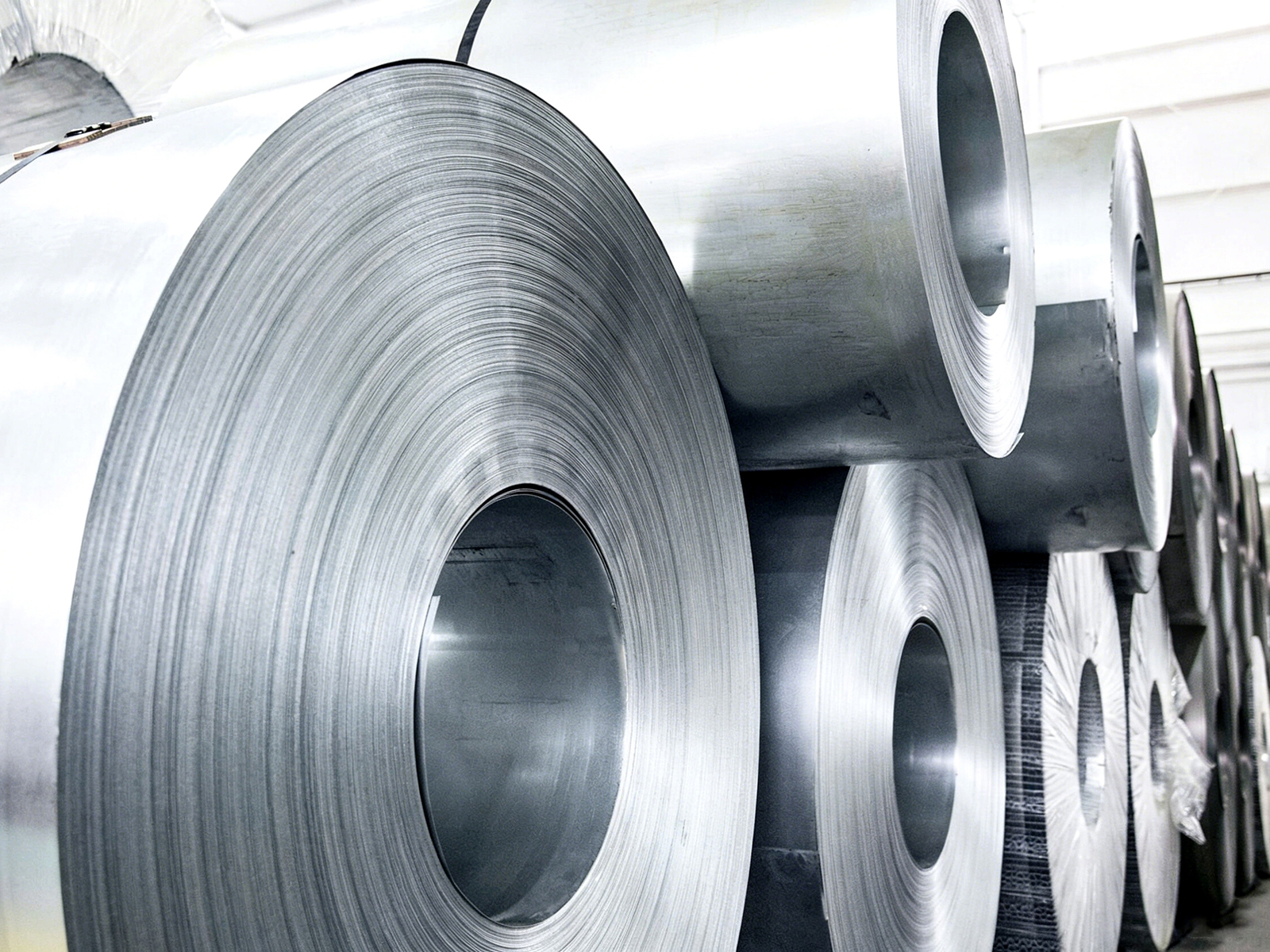
The marine environment and corrosive working conditions are extremely demanding on materials. Under the combined effects of salt spray erosion, chloride ion penetration, and high-pressure seawater erosion, traditional metal materials often fail quickly. Gr4 titanium foil has become an ideal material for marine engineering, seawater desalination, and chemical equipment due to its highest strength level (tensile strength ≥ 550 MPa) and excellent corrosion resistance among industrial pure titanium. Its density is only 60% of steel, which can significantly reduce the structural weight; at the same time, it maintains more than 99% of titanium purity and can operate stably for a long time in seawater and acid and alkali solutions. This perfect balance of high strength and high corrosion resistance makes Gr4 titanium foil irreplaceable in key applications such as deep-sea exploration, ocean sensors, and electrolytic cell anodes.
1. The Material Nature of Gr4 Titanium Foil, Why Is It the Strongest Among Pure Titanium?
(1) What Should You Know About Precision Optimization of Chemical Composition?
The chemical composition of Gr4 titanium foil is strictly controlled: titanium content ≥ 99.10%, oxygen content controlled within 0.40%, and iron content ≤ 0.30%. Compared with Gr1 and Gr2, the moderately increased oxygen and iron content in Gr4 significantly improves the material strength through the interstitial atom strengthening mechanism. Oxygen atoms form interstitial solid solutions in the titanium lattice, effectively hindering dislocation movement and causing the tensile strength to jump from 240 MPa of Gr1 to more than 550 MPa. This composition design maintains good corrosion resistance while maintaining the stability of α-type pure titanium structure.
(2) What Should You Know About Strengthening Mechanism of Microstructure?
Through a multi-pass high-precision cold rolling process, a dense fine-grained structure is formed inside the Gr4 titanium foil. Continuous vacuum annealing treatment (temperature control accuracy ± 2℃) eliminates processing stress while retaining the fine-grain strengthening effect. This precisely controlled organizational state allows the material to remain stable within the yield strength range of 480-620 MPa, while the elongation can still reach more than 15%. The fine grain structure not only improves the mechanical properties, but also enhances the barrier ability of the grain boundaries to corrosive media.
(3) What Are the Differences in Performance Comparison with Other Pure Titanium Grades?
Performance indicators | Gr1 | Gr2 | Gr4 |
tensile strength | ≥ 240MPa | ≥ 345 MPa | ≥ 550MPa |
Yield strength | 140-310 MPa | 275-450 MPa | 480-620 MPa |
Elongation | ≥ 24% | ≥ 20% | ≥ 15% |
Processability | Very easy to form | Easier to form | Medium formability |
Applicable scenarios | Extreme formed parts | General application | Structural load-bearing type |
On the basis of retaining the inherent corrosion resistance of titanium, Gr4 increases the strength to a level close to that of some titanium alloys, but avoids the cost increase and welding complexity caused by alloying. It should be noted that higher oxygen content may affect welding toughness and low temperature performance, and the applicability should be evaluated under corresponding working conditions.
2. Corrosion Challenges in Marine Environments, How Does Gr4 Titanium Foil Cope?
(1) What Should You Know About Long-term Erosion of Salt Spray and Chloride Ions?
The salt content of the ocean atmosphere is as high as 3-5%, and chloride ions pose a continuous threat of pitting corrosion to most metals. The surface of Gr4 titanium foil can quickly form a dense TiO2 passivation film (thickness is about 2-7 nanometers). This self-healing oxide film can be instantly regenerated in an oxygen-containing environment even after it is damaged. According to neutral salt spray test (GB/T 10125 standard) data, after immersing Gr4 titanium foil in 5% NaCl solution for 5000 hours, the corrosion rate is less than 0.001 mm/year, which is much better than the 0.05-0.1 mm/year of 316 stainless steel.
(2) What Should You Know About Scouring and Fatigue of High-pressure Seawater?
Deep-sea equipment often faces hydrostatic pressures of several megapascals and reciprocating impacts. The high yield strength of Gr4 titanium foil allows it to maintain good fatigue resistance while withstanding pressure. Under the combined working conditions of seawater corrosion and cyclic loading, its fatigue strength can reach 50-60% of the tensile strength, which is significantly higher than the 30-40% of ordinary carbon steel. This characteristic makes Gr4 titanium foil the preferred material for seawater desalination membrane components and underwater sensor housings.
(3) What Should You Know About Chemical Stability in Acidic and Alkaline Media?
corrosive medium | concentration | temperature | Gr4 corrosion rate | Suitability evaluation |
sulfuric acid | 10% | room temperature | <0.01 mm/year | Excellent |
hydrochloric acid | 5% | 60℃ | <0.1 mm/year | good |
sodium hydroxide | 30% | 100℃ | <0.005 mm/year | excellence |
seawater | standard | normal temperature | <0.001 mm/year | excellence |
sodium hypochlorite | 12% | room temperature | <0.02 mm/year | Excellent |
Note: The above corrosion rate data are based on laboratory accelerated testing (referring to GB/T 4334 standard). Factors such as medium composition, flow rate and temperature fluctuation need to be considered in actual working conditions. Common media such as sulfuric acid, alkali, and oxidizing acids in the chemical industry have almost no corrosive effect on Gr4 titanium foil. In electrolytic cell anode applications, the material can still maintain structural integrity and dimensional stability even if it is exposed to a strong oxidizing environment for a long time.
3. Why Is Precision Manufacturing Process, Equipment Advantages of Ultra-thin Wide Titanium Foil Important?
(1) What Should You Know About 20-roll High-precision Cold Rolling Technology?
The equipped 750mm 20-roll finishing mill has a maximum rolling force of 3500 KN and can stably roll Gr4 titanium materials to ultra-thin specifications of 0.02mm. The 20-roller structure effectively controls the plate shape through multi-point support, making the thickness tolerance accurate to ± 0.005mm. The rolling speed can reach 400 m/min, which ensures high efficiency while avoiding flatness defects such as edge waves and middle waves that are easily produced by traditional 2-high or 4-high rolling mills. This equipment capability supports stable production of a maximum width of 680mm, meeting the needs of large equipment for wide-width materials.
(2) What Should You Know About Continuous Annealing and Stress Control?
The 7-stage electric heating continuous annealing furnace realizes temperature zone control (maximum capacity 1100℃, actual Gr4 annealing temperature is controlled at 600-750℃) to ensure uniformity of material structure. The annealing process uses a protective atmosphere to avoid surface oxidation and discoloration. The strict standard of temperature control accuracy of ± 2℃ makes the mechanical properties of each batch of materials fluctuate less than 5%. Tempering rolling after annealing further optimizes the surface quality, making the material straightness ≤ 5mm/m, creating conditions for subsequent precision processing.
(3) What Should You Know About Surface Cleaning and Functionalization?
The ultrasonic cleaning line, combined with the self-developed degreasing formula, can increase the surface dyne value to more than 40, ensuring the interface bonding strength of the material in subsequent processes such as coating and lamination. The polishing line improves surface consistency through precision grinding, and the Ra value can be controlled in the range of 0.4-0.8um. This surface treatment capability enables Gr4 titanium foil to exhibit excellent conductivity and adhesive properties in applications such as battery current collectors and electrode substrates.
4. Why Is Typical Application Scenarios, the Practical Value of Gr4 Titanium Foil in Marine Equipment Important?
(1) What Should You Know About Core Components of Seawater Desalination System?
The high-pressure pump shell and membrane module support frame in the reverse osmosis seawater desalination device place dual requirements on materials with high strength and corrosion resistance. Wide linings (up to 670mm) made of Gr4 titanium foil can significantly reduce the number of welds and reduce the risk of leaks. After long-term operation under the operating pressure of 6-8 MPa, the material did not suffer from pitting corrosion or stress corrosion cracking. Compared with nickel-based alloys, the cost of Gr4 titanium foil is about 40% lower, and its density advantage reduces the weight of the overall equipment by more than 30%.
(2) What Should You Know About Deep Sea Exploration and Sensing Equipment?
The pressure housing and sensor packaging of deep-sea ROVs (remotely operated vehicles) need to withstand seawater pressures of tens of megapascals. 0.02-0.1mm thick Gr4 titanium foil is precision stamped and formed into lightweight structural parts. Its non-magnetic properties (magnetic permeability close to 1) avoid interference with navigation equipment such as magnetometers and compasses. In the 4000-meter deep sea environment test, the sensor encapsulated in Gr4 titanium foil ran stably and the signal drift was less than 2%.
(3) What Should You Know About Electrode Materials in Chemical and Energy Fields?
Application areas | specific parts | Gr4 Advantages | Performance improvements |
Chlor-alkali industry | Electrolytic cell anode base material | Chlorine corrosion resistance + high strength | Service life extended by 50% |
Water electrolysis to produce hydrogen | Catalyst carrier | Large flat area + good conductivity | Energy efficiency increased by 8% |
Electroplating industry | anode plate | Dimensional stability + uniform surface | Coating consistency improved by 12% |
Marine anticorrosion | sacrificial anode connector | Good welding performance + fatigue resistance | System reliability improved by 20% |
Large size Gr4 titanium foil (width up to 670mm) reduces electrode splicing and improves current distribution uniformity. After coating with precious metal catalysts, the high strength of the substrate ensures structural stability during the electrolysis process and avoids peeling of the catalytic layer caused by deformation.
(4) What Should You Know About Lightweight Structures for Aerospace?
The core material, thin-wall sealing gasket and other components of the honeycomb sandwich structure are made of 0.05-0.3mm Gr4 titanium foil. The high specific strength (strength/density ratio) of the material enables significant weight reduction of the aircraft. In the temperature range of -50℃ to 350℃, Gr4 titanium foil maintains stable mechanical properties and dimensional accuracy. The laser welding process can achieve reliable connection with titanium alloy structural parts, and the weld strength reaches more than 85% of the base metal.
5. What Should You Know About Process Breakthrough and Quality Assurance?
(1) What Should You Know About Overcoming Seven Major Technical Problems?
The technological investment in the production line has successfully solved the key bottlenecks in the manufacturing of ultra-thin and wide-width titanium foil: surface color difference control technology ensures color consistency across the entire roll of material; thickness tolerance control achieves ± 0.005mm accuracy through a real-time thickness measurement feedback system; uniform annealing structure ensures stable performance between batches; high-precision slitting technology enables a width tolerance of ± 0.1mm; high-performance cleaning process achieves no oil residue; smoothing tension optimization eliminates internal stress; automated grinding system improves surface quality consistency.
(2) What Should You Know About Whole Process Quality Traceability System?
From titanium ingot raw materials to finished products leaving the factory, a unique quality file is established for each batch of materials. The chemical composition is detected by ICP spectrometer, the mechanical properties are verified by universal testing machine, and the surface quality is evaluated by optical microscope and roughness meter. It complies with international standards such as ASTM B265 and EN 10263-4, and can provide material certification and third-party testing reports. The stable production capacity of 3, 000 tons per year ensures on-time delivery of large batch orders.
(3) What Should You Know About Customized Service Capabilities?
Customized items | Technical parameters | Application value |
Ultra-thin specifications | Customized starting from 0.005mm | Microelectronics packaging, precision sensors |
Extra wide format | Maximum 680mm | Reduce splicing and improve yield rate |
special surface | Glossy/matte/functional coating | Meet different process needs |
Special-shaped striping | Non-standard width ± 0.1mm | Directly matches device dimensions |
Heat treatment status | Annealed state (M)/cold working state (Y) | Balance strength and formability |
For precision parts in aerospace, battery materials for new energy, and large equipment in the chemical industry, the technical team can recommend the optimal material solution based on the customer’s specific working conditions (pressure, temperature, medium, service life), and provide one-stop services from material selection, specification customization to surface treatment.
6. What Is the Conclusion?
Gr4 titanium foil has become the material of choice for marine engineering and corrosive environments due to its highest strength level, excellent corrosion resistance and excellent lightweight properties among industrial pure titanium. From seawater desalination to deep-sea exploration, from chemical electrolysis to aviation structures, Gr4 titanium foil has shown irreplaceable application value under harsh working conditions. Combined with advanced 20-roll finishing technology and full-process quality control, this material has achieved stable mass production of 0.02-1.0mm ultra-thin wide titanium foil, providing reliable material guarantee for global high-end manufacturing.
FAQ
Q1: What are the main differences between Gr4 titanium foil and Gr2 titanium foil in marine applications?
The tensile strength of Gr4 (≥ 550 MPa) is 60% higher than that of Gr2 (≥ 345 MPa), and the yield strength is increased by more than 75%, making it more suitable for withstanding high-pressure seawater and structural loads. The corrosion resistance of the two is similar, but Gr4 has more advantages in scenarios that need to meet both strength and corrosion resistance requirements, such as deep-sea equipment casings and high-pressure seawater pump components.
Q2: Why can Gr4 titanium foil achieve stable production of 0.02mm ultra-thin specifications?
The key lies in the multi-point support structure of the 20-roll finishing mill and the thickness control accuracy of ± 0.005mm. Combined with continuous annealing to eliminate stress, real-time thickness measurement feedback to adjust rolling parameters, and high-precision slitting technology, it ensures that ultra-thin materials maintain flatness and dimensional stability during the entire production process, and avoids problems such as strip breakage and uneven thickness that are prone to occur in traditional rolling mills.
Q3: How long can the service life of Gr4 titanium foil be in chemical electrolyzer?
Under strong corrosive conditions such as chlor-alkali electrolysis, the service life of Gr4 titanium foil anodes coated with precious metal catalytic layers is usually 5-8 years, which is more than 50% longer than stainless steel or nickel-based materials. Actual life depends on factors such as current density, electrolyte concentration, operating temperature, etc. The high strength of the material ensures structural stability during long-term operation and reduces the failure of the catalytic layer due to deformation.
7. What Should You Know About Call to Action?
If you need detailed technical parameters, customized processing plans or sample testing, please contact us: sales@titaniumvalleys.com. The technical team will provide you with professional consultation and quick response.
References
- Li Minghua, Zhang Wei. Application and performance evaluation of industrial pure titanium in marine engineering [J]. Journal of Materials Engineering, 2021, 35(4): 112-120.
- Wang Jianguo, Liu Qiang, Chen Xiaomin. Titanium foil precision rolling technology and its application in the electrochemical industry [J]. Rare Metal Materials and Engineering, 2022, 51(7): 2345-2353.
- Zhao Zhigang, Li Hong. Research on the behavior of pure titanium and titanium alloys in chemical corrosion environments [J]. Corrosion Science and Protection Technology, 2020, 32(3): 289-296.
- Chen Daming, Sun Zhiqiang. Research on the preparation process of ultra-thin titanium foil and its microstructure evolution [J]. Acta Metallurgica Sinica, 2021, 57(10): 1289-1298.