
Why Is Nickel 200 Nickel Foil, the Application Value of Commercial Pure Nickel Materials in High-end Manufacturing Important?
- Nickel 200 Nickel Foil
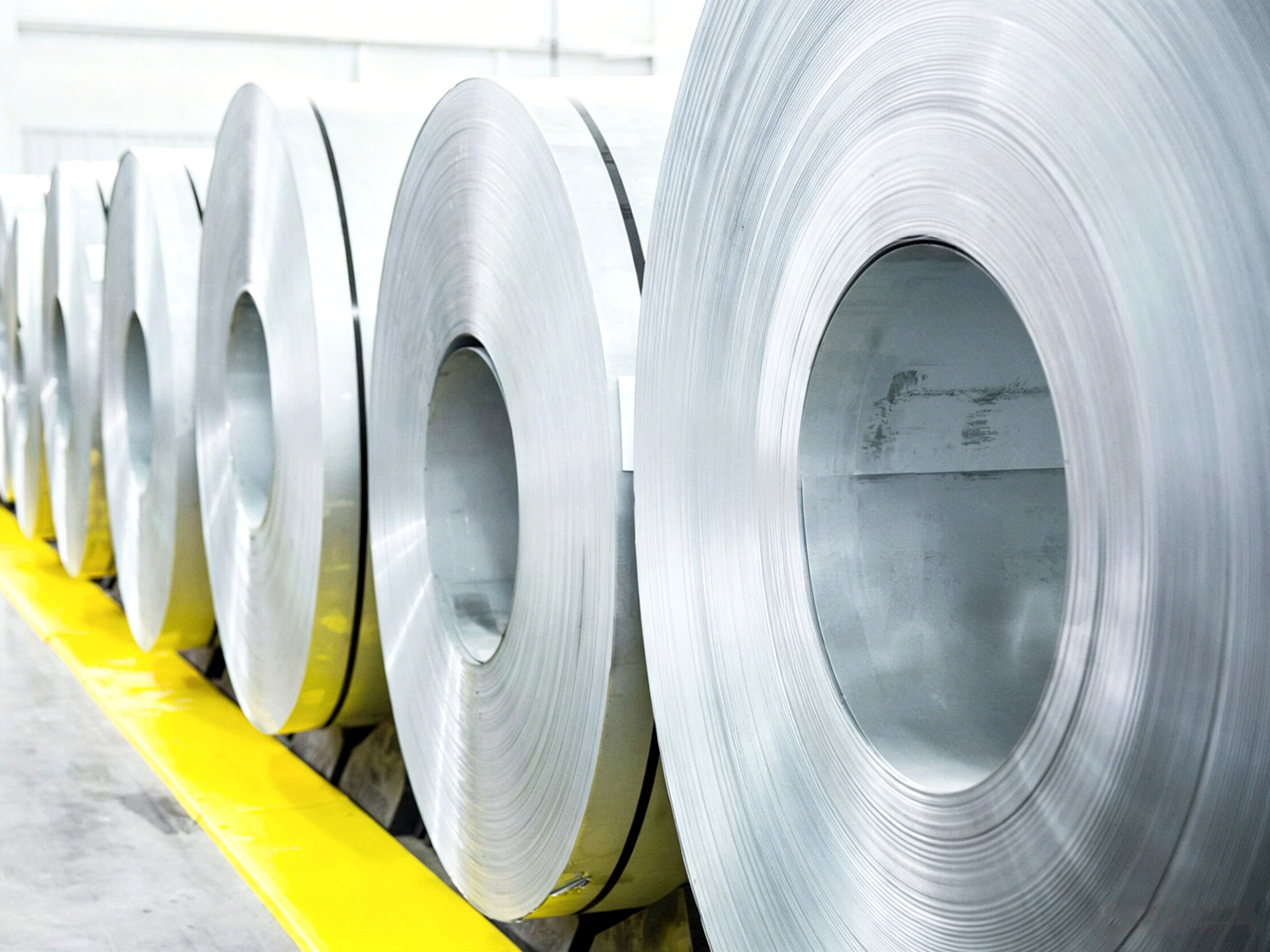
As a representative product of commercial pure nickel materials, Nickel 200 nickel foil has become a key material in high-end manufacturing fields such as new energy batteries, electronics and electrical appliances, and chemical electrolysis due to its excellent electrical conductivity, excellent alkali corrosion resistance, and good processability. This ultra-thin metal foil with a nickel content of ≥ 99.0% has a thickness that can be precisely controlled within the range of 0.03-0.8mm and a width of 350-670mm. It can meet the needs of diverse applications ranging from battery tab connections to electromagnetic shielding, from electrolytic electrodes to precision stamping parts. Compared with other metal materials such as titanium foil, Nickel 200 nickel foil performs more outstandingly in terms of current transmission stability and chemical environmental adaptability. In particular, it shows long-term and stable service performance in alkaline and slightly reducing environments, providing strong support for equipment life extension, cost control and system reliability.
1. Why Nickel 200 Nickel Foil Is the Material of Choice for High-end Manufacturing?
(1) Why Is Performance Advantages Due to Material Purity and Microstructure Important?
The nickel content of Nickel 200 nickel foil reaches more than 99.0%, which belongs to the category of industrial pure nickel. This high-purity characteristic directly determines its comprehensive performance in electrical, chemical and mechanical properties. Impurity elements such as iron, manganese and silicon in the material are strictly controlled below 0.35%-0.40%, the carbon content is as low as 0.02%, and the sulfur content is only 0.01%. This pure chemical composition ensures that the material will not introduce additional potential differences or catalytic reactions in electrochemical applications, thereby maintaining the stability of the system.
After multiple passes of precision cold rolling and intermediate annealing, a uniform fine-grained structure is formed inside the nickel foil, and the grain size is effectively controlled. This organizational state gives the material good ductility and fatigue resistance. The elongation of annealed nickel foil can reach more than 25%, and the tensile strength remains in the range of 370-420 MPa. This balance of strength and plasticity enables the material to withstand certain mechanical loads and has various processing adaptability such as stamping, bending, and welding.
(2) What Should You Know About the Key Role of Electrical Conductivity in Current Transmission Systems?
The electrical conductivity of Nickel 200 nickel foil is about 24% of pure copper. Although it is lower than copper, it is much higher than titanium alloy, stainless steel and other structural materials, which makes it an ideal choice in situations where both conductivity and corrosion resistance are required. In new energy battery systems, nickel foil is widely used as tab material and current collector connection piece. Its function is to efficiently draw out the current generated inside the battery cells and realize series and parallel connections between modules.
Because nickel foil has low contact resistance and a stable conductive interface, it can effectively reduce the internal resistance loss of the battery pack, reduce heat generation, and improve energy conversion efficiency. Compared with using nickel-plated copper foil or pure copper tabs, Nickel 200 nickel foil shows better interface stability during long-term cycle charge and discharge processes and is less prone to oxidation or electrochemical corrosion, thereby extending the service life of the battery system.
(3) Why Is the Unique Value of Corrosion Resistance in Alkaline Environments Important?
Nickel materials show excellent passivation properties in alkaline media, and can form a dense oxide film on the surface to prevent corrosion reactions from developing deep into the substrate. Nickel 200 nickel foil has an extremely low corrosion rate in strong alkaline solutions such as sodium hydroxide and potassium hydroxide, and can maintain long-term stable performance even under harsh conditions of high temperature and high concentration. This characteristic makes it the preferred electrode material in alkaline electrolyzers, chlor-alkali industrial equipment, alkaline fuel cells and other equipment.
In the electrolysis water hydrogen production system, nickel foil, as a cathode or anode material, needs to be immersed in an alkaline electrolyte for a long time and withstand current load. Traditional carbon steel or stainless steel materials are prone to pitting corrosion or stress corrosion cracking in this environment. Nickel 200 nickel foil can ensure the stability of electrolysis efficiency and long-term operation of the equipment by virtue of its inherent alkali resistance.
Table 1: Performance comparison between Nickel 200 nickel foil and other metal foil materials
Performance indicators | Nickel 200 Nickel Foil | Gr2 titanium foil (annealed state) | Gr5 titanium alloy foil | 304 stainless steel foil |
Density (g/cm³) | 8.9 | 4.5 | 4.4 | 8.0 |
conductivity | Excellent | Difference | Difference | Poor |
Alkali corrosion resistance | Extremely strong | good | good | medium |
Tensile strength (MPa) | 370-420 | 340-480 | 895 and above | 520-750 |
Elongation (%) | ≥ 25 | ≥ 30 | ≥ 10 | ≥ 40 |
Applicable scenarios | Conductive/electrode/alkaline environment | Structure/Lightweight | High strength structure | General corrosion resistance |
2. Why Is the Core Application of Nickel 200 Nickel Foil in the New Energy and Electronics Industries Important?
(1) What Should You Know About Lugs and Connection Technology in Power Battery Systems?
The performance of a power battery not only depends on the positive and negative electrode materials and electrolyte system. As the only channel for current, the material selection of the tab directly affects the power output, cycle life and safety of the battery. Nickel 200 nickel foil is widely used in the manufacture of lithium-ion batteries, nickel-metal hydride batteries and emerging solid-state battery tabs due to its high conductivity and low contact resistance.
In practical applications, nickel foil with a thickness of 0.05-0.15mm is connected to the battery pole pieces through laser welding or ultrasonic welding to form a stable current transmission path. The ductility of nickel foil enables it to adapt to the volume changes of the battery during charging and discharging, avoiding fracture failure due to stress concentration. Compared with nickel-plated steel strip or copper foil solutions, pure nickel foil can maintain a lower temperature rise under high-rate discharge and fast charging conditions, reducing the risk of thermal runaway.
(2) What Should You Know About Electromagnetic Shielding and Signal Integrity Assurance?
As electronic equipment develops towards high frequency and miniaturization, the problem of electromagnetic interference (EMI) has become increasingly prominent. Nickel 200 nickel foil has become an important material in the field of electromagnetic shielding due to its good conductivity and processability. Ultra-thin nickel foil with a thickness of 0.03-0.05mm can be made into various shapes of shielding covers, shielding gaskets and grounding shrapnel through stamping, etching or laser cutting to effectively block the interference of external electromagnetic waves on sensitive circuits.
In 5G communication equipment, precision measuring instruments and medical electronic devices, nickel foil shielding layers can provide 30-60dB shielding effectiveness, covering frequency ranges from hundreds of MHz to several GHz. The weak magnetic properties of nickel materials also give it unique advantages in applications that need to avoid magnetic field interference, such as radio frequency shielding cabins for magnetic resonance imaging (MRI) equipment and isolation covers for high-precision sensors.
(3) Why Is Precision Connectors and Microelectronic Packaging Applications Important?
Modern electronic products have put forward higher requirements for the reliability and miniaturization of connectors. Nickel 200 nickel foil can be manufactured through precision stamping and forming processes to produce elastic contact pieces, pins and terminals with a thickness of 0.05-0.10mm. These components need to maintain stable contact resistance and mechanical strength over tens of thousands of plugging and unplugging cycles.
After chemical cleaning and passivation treatment on the surface of the nickel foil, the surface dyne value is stable at around 44. It has good welding wettability and plating adhesion. It can be further plated with gold or silver on the nickel substrate to form a low-resistance and highly reliable contact interface. In the field of semiconductor packaging, nickel foil is used as a raw material for lead frames. It is etched or stamped to form a fine wire layout to achieve electrical connections between the chip and external circuits.
Table 2: Typical specifications and performance requirements of Nickel 200 nickel foil in different industries
Application areas | Commonly used thickness (mm) | Width requirements (mm) | key performance | surface state |
battery tabs | 0.05-0.15 | 8-50 | Conductivity, weldability | Bright/Acid Wash |
electromagnetic shielding | 0.03-0.05 | 100-500 | Shielding efficiency, formability | matte |
electrolysis electrode | 0.10-0.30 | 300-670 | Alkali resistance, conductivity | pickling |
Precision connector | 0.05-0.10 | 10-100 | Elasticity, contact resistance | bright |
heating element | 0.20-0.50 | 50-300 | High temperature resistance, resistance stability | matte |
3. What Should You Know About Corrosion Resistance Performance in Chemical and Electrolytic Industries?
(1) How Should Electrode Material Selection for Alkaline Electrolysis Systems?
Alkaline water electrolysis hydrogen production technology is an important path to realize green hydrogen energy. The electrode materials in the electrolyzer need to meet multiple requirements such as high conductivity, strong alkali corrosion resistance and long-term stability. As a cathode material, Nickel 200 nickel foil can operate stably for thousands of hours in a 30% potassium hydroxide solution at 80℃, with a corrosion rate of less than 0.01mm/year.
The nickel oxide (NiO) layer formed on the surface of the nickel material in an alkaline environment has semiconductor properties, while the nickel hydroxide layer has ionic conductivity. The two jointly affect the catalytic performance and can catalyze the water splitting reaction and reduce the hydrogen evolution overpotential. By constructing micro-nano structures or composite catalytic coatings on the surface of nickel foil, electrolysis efficiency can be further improved and energy consumption reduced. Compared with precious metal electrodes, nickel foil has obvious cost advantages and is suitable for large-scale industrial applications.
(2) What Should You Know About Anti-corrosion Linings and Key Components of Chemical Equipment?
In chemical processes involving high-concentration alkali liquids such as the chlor-alkali industry, caustic soda production, and salt-making processes, equipment corrosion protection is the key to ensuring safe production and reducing maintenance costs. Nickel 200 nickel foil can be used as the lining material for reactors, pipes, valves and other equipment. It can be combined with the carbon steel matrix through processes such as explosive compounding, hot rolling compounding or mechanical lamination to form a composite structure.
This composite panel retains the strength and cost advantages of carbon steel while utilizing a nickel layer to provide corrosion protection, significantly extending the service life of the equipment. In vulnerable parts such as the impeller, pump casing and sealing surface of chemical pumps, parts made of Nickel 200 nickel foil can withstand the erosion and abrasion of high-flow alkali liquid, reducing the frequency of downtime and maintenance.
(3) What Should You Know About Clean Production Requirements for the Food and Pharmaceutical Industries?
Food processing and pharmaceutical equipment have strict requirements on the purity, non-toxicity and surface finish of materials. The high purity characteristics of Nickel 200 nickel foil prevent the precipitation of harmful metal ions into the product, complying with FDA and EU food contact material regulations. In an environment where alkaline cleaning agents are frequently used for cleaning, the surface of the nickel foil will not be seriously corroded or discolored, maintaining a stable hygienic state.
In pharmaceutical reactors, crystallizers, filters and other equipment, nickel foil linings can withstand high-temperature and high-pressure steam sterilization and strong alkali cleaning cycles to prevent equipment corrosion products from contaminating pharmaceuticals. The low magnetic properties of nickel materials also make them suitable for production lines that require magnetic field-sensitive detection, such as sample containers and flow cells for nuclear magnetic resonance spectrometers.
4. What Should You Know About Breakthrough in Precision Manufacturing Technology for Ultra-thin Wide Nickel Foil?
(1) What Should You Know About Coordinated Control of Multi-pass Cold Rolling and Intermediate Annealing?
The core difficulty in producing 0.03-0.30mm ultra-thin nickel foil is how to maintain a flat shape, uniform thickness and stable material properties during the extreme thinning process. In the traditional rolling process, when the reduction in each pass exceeds 30%, the material will undergo significant work hardening, resulting in difficulty in subsequent rolling and an increased risk of cracking. The process route of multi-pass small reduction rolling combined with intermediate annealing can effectively release residual stress and restore material plasticity.
The production line equipped with a 20-roll precision rolling mill uses a multi-layer nested design of work rolls, intermediate rolls and support rolls to evenly distribute rolling pressure over a larger contact area, reduce single-point pressure concentration, and improve flatness control accuracy. The surface roughness of the roll is controlled within Ra 0.2um, and combined with the high-precision hydraulic AGC system, a thickness tolerance control of ± 0.001mm is achieved to meet the material consistency requirements of high-end applications.
(2) What Should You Know About the Optimization Effect of Continuous Annealing Process on Structural Properties?
Nickel foil has accumulated a large amount of dislocations and residual stress inside after cold rolling, and needs to be annealed to restore its ductility and conductive properties. Using a continuous argon-protected annealing furnace, the nickel foil is heated to 600-800℃ in an inert atmosphere, kept for a certain period of time and then cooled slowly to achieve the recrystallization process and form a uniform equiaxed crystal structure.
Precise control of the annealing temperature (± 2℃) is crucial to the final performance. Too low a temperature will lead to incomplete recrystallization and high material hardness; too high a temperature may cause grain coarsening and reduce strength. Through multi-stage temperature control and atmosphere adjustment, a microstructure with a grain size in the range of 5-20 um can be obtained, so that the elongation of the annealed nickel foil reaches more than 25%, and the tensile strength is stabilized in the range of 370-420 MPa.
(3) What Should You Know About Surface Cleanliness Control and Functionalization?
Oil stains, oxide films and particulate pollution on the surface of nickel foil will seriously affect its application performance in the fields of electronics, batteries and chemical industry. The process of ultrasonic cleaning combined with alkaline solution immersion can effectively remove the rolling oil and metal dust remaining on the surface. The dyne value of the cleaned nickel foil surface reaches 44, which has good wettability and weldability.
In high-clean application scenarios, vacuum annealing or hydrogen reduction treatment is also required to further reduce the surface oxygen content and improve the conductivity and catalytic activity of the material. Through chemical passivation or electrochemical anodization, a dense oxide layer can be formed on the surface of nickel foil to improve its corrosion resistance and surface hardness and adapt to more harsh working environments.
Table 3: Key process parameters and quality indicators for Nickel 200 nickel foil production
Process link | Key parameters | control objectives | Impact on performance |
Precision cold rolling | Reduction rate 10-30%/pass | Thickness tolerance ± 0.001mm | Determine dimensional accuracy and plate shape |
intermediate annealing | Temperature 600-800℃ | Temperature fluctuation ± 2℃ | Control grain size and hardness |
Surface cleaning | Ultrasound + alkali cleaning | Dyne value 44 | Affects weldability and conductivity |
Precision slitting | Edge sharpness | Burr<0.01mm | Affect the safety of use |
Quality inspection | Full thickness scan | Coverage 100% | Ensure batch consistency |
5. What Should You Know About Global Market Demand Trends and Technical Standards System?
(1) What Should You Know About Market Growth Momentum Driven by New Energy Transformation?
The advancement of the global carbon neutrality goal has accelerated the development of the new energy industry, and the demand for high-performance nickel foil in power batteries, energy storage systems, electrolytic hydrogen production and other fields has grown rapidly. The U.S. Inflation Reduction Act and the European Union’s Green Deal both list clean energy technology as a key support direction, driving an investment boom in battery manufacturing and hydrogen energy equipment industry chains.
Battery companies in Japan and South Korea continue to invest in high-nickel ternary batteries and all-solid-state battery technology, putting forward higher requirements for the conductivity, purity and consistency of tab materials. Germany and Nordic countries have adopted alkaline electrolyzer technology on a large scale in industrial electrolysis hydrogen production projects, and the demand for nickel-based electrode materials has increased by more than 15% annually. As emerging bases for global electronics manufacturing, demand for electromagnetic shielding materials and precision connectors in India and Vietnam is also rising rapidly.
(2) What Should You Know About International Standard System and Quality Certification Requirements?
The production and application of Nickel 200 nickel foil needs to comply with a number of international standards and industry specifications. ASTM B162 is a standard for nickel and nickel alloy plates, strips, and foils formulated by the American Society for Testing and Materials. It specifies chemical composition, mechanical properties, dimensional tolerances, and surface quality requirements. ASTM B160 specifically targets nickel rods, wire rods and forgings, which together form the entry barrier for the North American market.
The European market follows the EN system standards and has strict requirements for the environmental performance and traceability of materials. RoHS, REACH and other compliance certificates are required. The Japanese JIS standard and the Korean KS standard have stricter requirements in terms of dimensional accuracy and surface quality. In particular, nickel foil used in the electronics industry needs to pass ISO 9001 quality management system and IATF 16949 automotive industry quality system certification.
(3) What Should You Know About Customized Services and Supply Chain Collaboration Capabilities?
High-end manufacturing companies’ requirements for material suppliers have shifted from simple product delivery to full-process technical services, including material selection consultation, customized specification development, application process optimization and long-term stable supply. The production line with an annual output of 3, 000 tons of ultra-thin nickel foil can meet the needs of rapid response to large-volume orders and shorten the cycle from order to delivery.
By establishing joint laboratories and technology development centers with downstream customers, material performance optimization and process adaptation verification can be carried out for specific application scenarios, such as the development of ultra-thin nickel foil suitable for high-rate fast-charging batteries, or the development of thickened nickel foil that is resistant to high-temperature and high-pressure alkali corrosion. Flexible slitting, annealing and surface treatment capabilities enable suppliers to provide customized products with a full thickness range from 0.01mm to 0.8mm and a variety of surface conditions, bright or matte.
6. What Is the Conclusion?
Nickel 200 nickel foil has become an indispensable key material in high-end manufacturing fields such as new energy, electronics, and chemicals due to its high purity, excellent conductivity, and strong resistance to alkali corrosion. Through advanced processes such as precision rolling, continuous annealing and surface cleaning treatment, stable mass production of 0.03-0.8mm ultra-thin wide nickel foil can be achieved to meet the diverse application needs from battery tabs, electromagnetic shielding to electrolytic electrodes. With the deepening of global energy transformation and intelligent manufacturing, technological innovation and market expansion of nickel foil materials will continue to accelerate.
FAQ
Q1: What is the difference between Nickel 200 nickel foil and nickel-plated copper foil in battery applications?
Nickel 200 nickel foil is a pure nickel material with stronger corrosion resistance and long-term stability. It will not peel off the coating or corrode the base material in alkaline electrolyte. It is suitable for power battery tabs with high reliability requirements. Nickel-plated copper foil has higher conductivity but poor corrosion resistance, making it suitable for consumer batteries.
Q2: What should I do if ultra-thin nickel foil is easy to crack during stamping processing?
Selecting the annealed state (M state) nickel foil can achieve higher ductility, with an elongation of ≥ 25%. Optimize the mold fillet radius, control the stamping speed, and perform intermediate annealing when necessary to eliminate work hardening. For nickel foil with thickness less than 0.05mm, it is recommended to use laser cutting or chemical etching process instead of mechanical stamping.
Q3: How to choose the appropriate thickness of nickel foil for electromagnetic shielding?
According to the shielding efficiency requirements and frequency range selection, generally 30dB shielding requires a thickness of 0.03-0.05mm, and 0.08-0.10mm is recommended for 50dB and above. High-frequency applications (GHz level) can choose thinner specifications, while low-frequency or strong interference environments require thicker or multi-layer composite structures. Installation space and cost factors also need to be considered.
7. What Should You Know About Looking for Reliable Nickel 200 Nickel Foil Manufacturer?
Baoji Titanium Valley Ti-Ni-Zr Material Processing Co., Ltd. is equipped with the world’s most advanced 20-roll precision rolling mill and continuous annealing production line, with an annual production capacity of 3, 000 tons. It can provide high-precision nickel foil with a thickness of 0.03-0.8mm and a width of 350-670mm and customized processing services. As a professional nickel foil supplier and factory, we serve customers in the new energy, electronics and chemical industries around the world. Welcome to contact us for technical support and quotation: sales@titaniumvalleys.com
References
- China National Standardization Administration. GB/T 2054-2013 Nickel and nickel alloy strips and foils[S]. Beijing: China Standards Press, 2013.
- China Nonferrous Metals Industry Association. Production Technology and Application of Nickel and Nickel Alloy Processing Materials[M]. Beijing: Metallurgical Industry Press, 2018.
- Liu Jianzhang. Nickel and Nickel Alloy Standards and Material Selection[M]. Beijing: Chemical Industry Press, 2020.
- Wang Qi, Li Wei. Research progress on electrode materials for alkaline water electrolysis for hydrogen production [J]. Progress in Chemical Engineering, 2021, 40(5): 2450-2460.