

Exploring the Potential of Ni200 Nickel Bars in Magnetostrictive Devices

The magnetostrictive effect refers to the phenomenon whereby ferromagnetic materials undergo deforma...
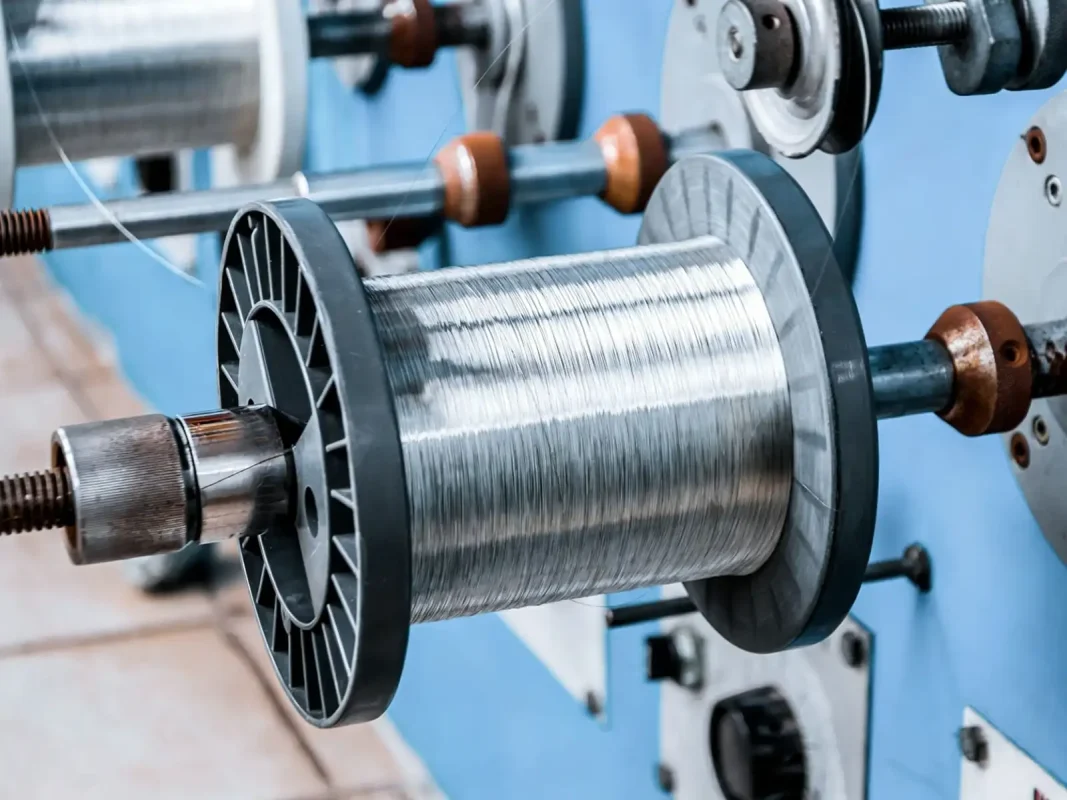
How Does the Strength of Gr12 Titanium Wire Compare to Other Grades?
The tensile strength of Gr12 titanium wire (Ti-0.3Mo-0.8Ni) typically falls within the range of 480–...
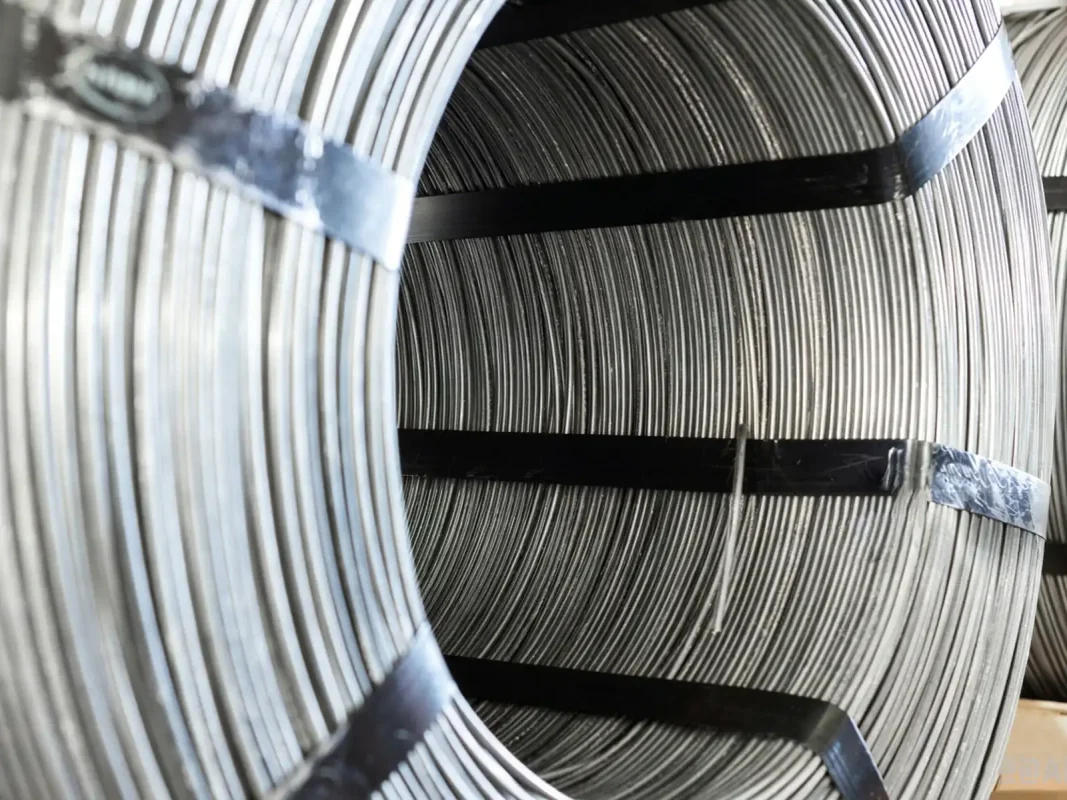
How Does ASTM B550 Zirconium Wire Solve Corrosion Problemsin Urea Production Equipment?
1. Introduction
Corrosion of ammonium carbamate solution, pitting corrosion caused by chloride ions...
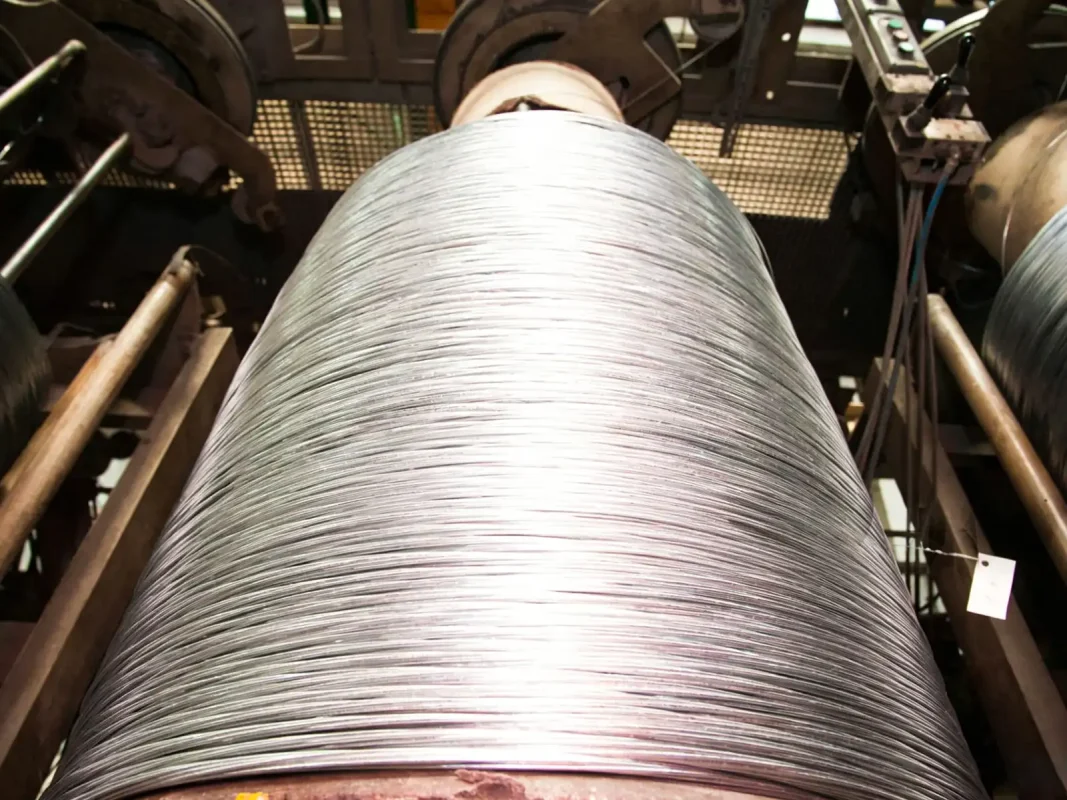
How Does Nickel 200 Nickel Wire Prevent Corrosion in Food Processing Equipment?
1. Introduction
Food processing equipment is continuously exposed to acidic, alkaline, and salt-con...
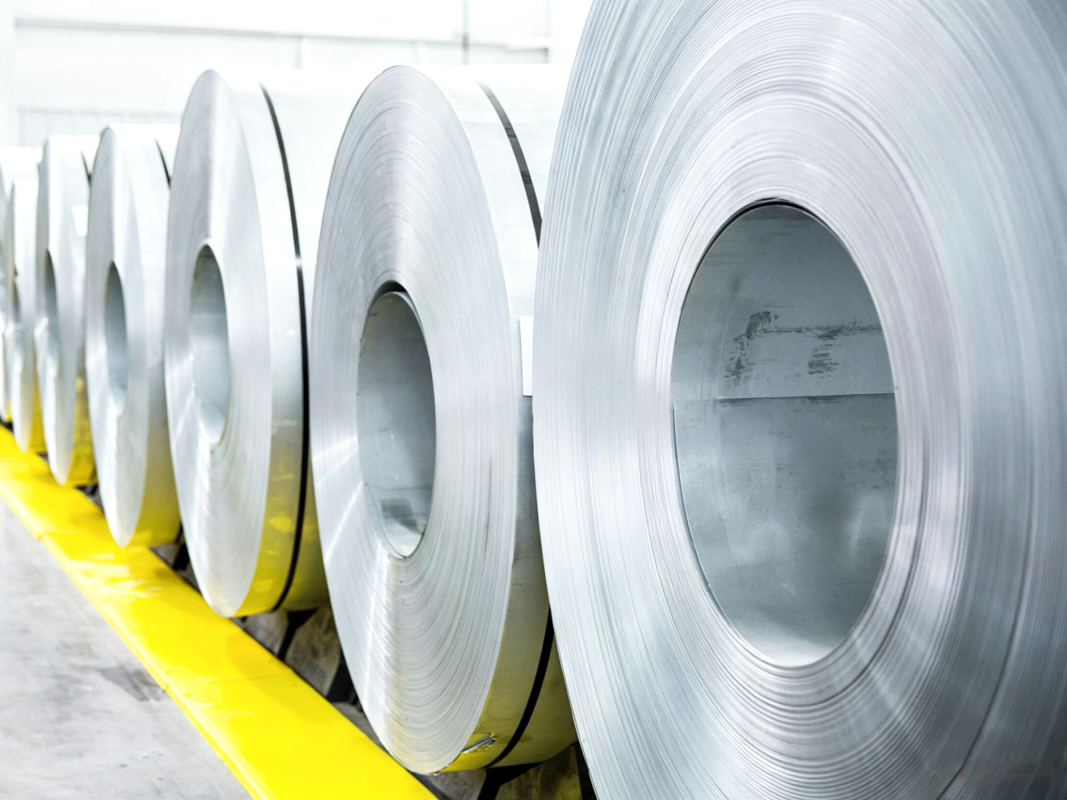
How Does Nickel 201 Foil Improve the Reliability of Industrial Equipment?
Nickel 201 foil, a low-carbon pure nickel material (C <= 0.02%), exhibits exceptional resistance ...
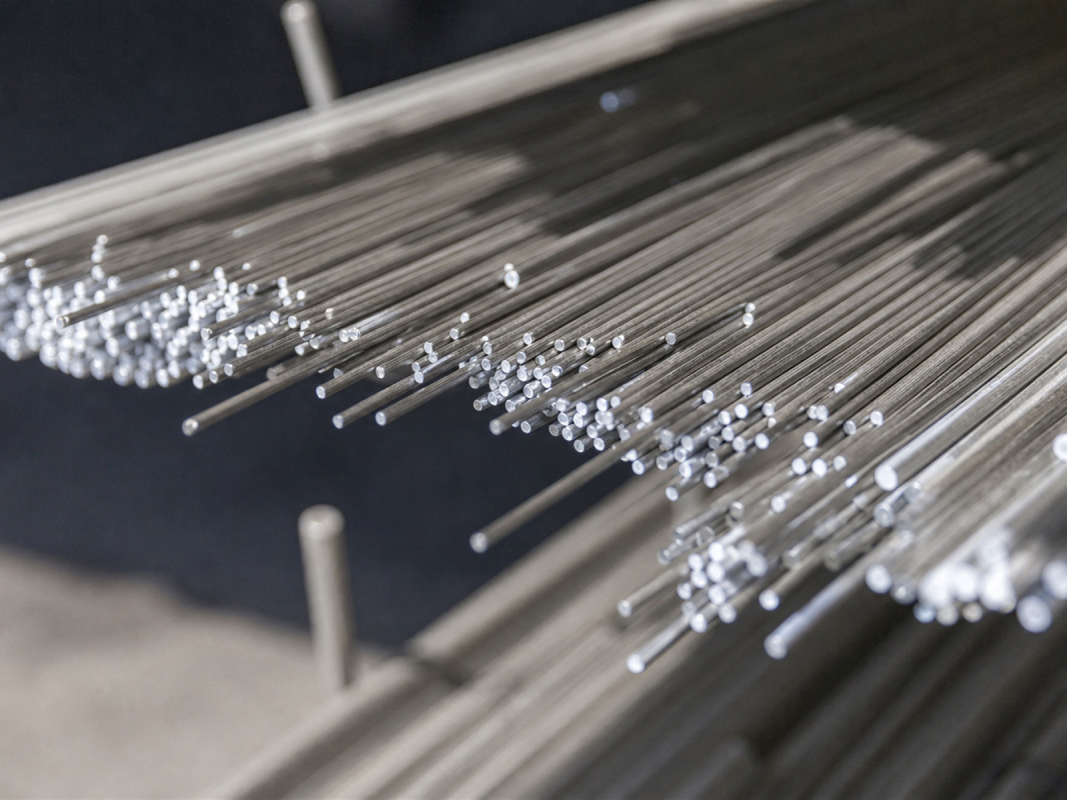
How Is the Corrosion Resistance of Gr5 Titanium Bars?
1. Introduction
Gr5 titanium bars (Gr5, commonly designated as Ti-6Al-4V) excel in demanding enviro...
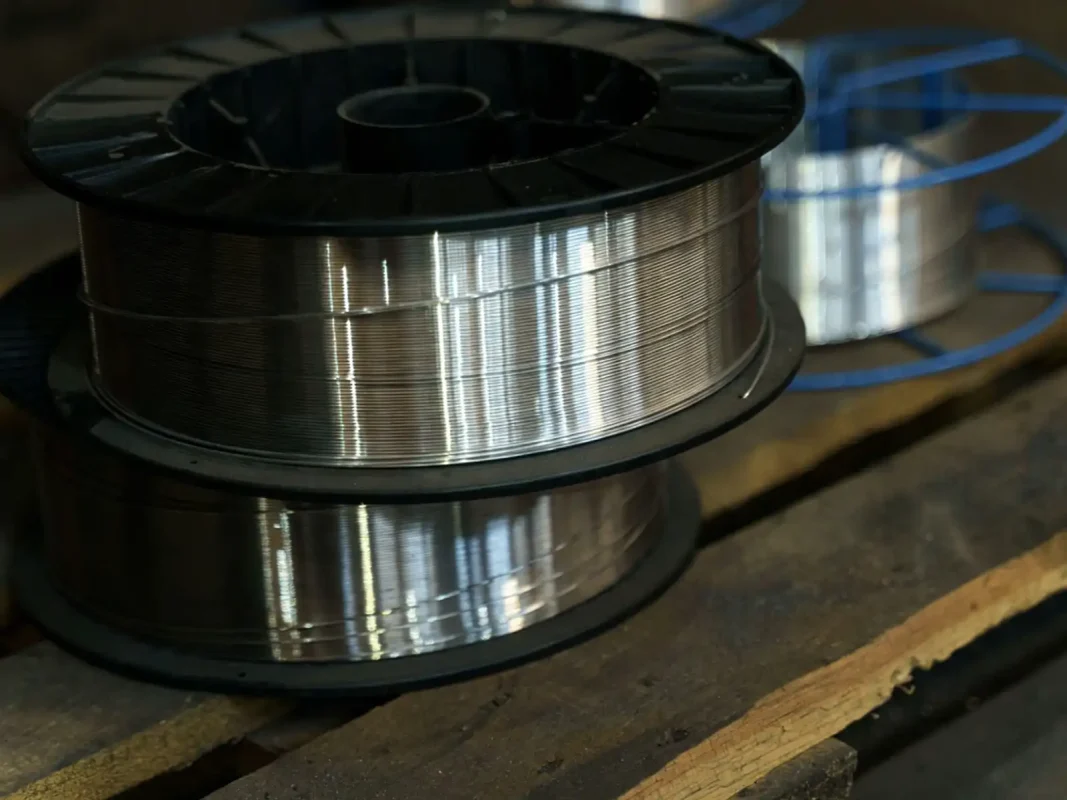
How to Compare the Performance of Gr1 Titanium Wire with Other Materials
1. Introduction
Gr1 titanium wire (industrial pure titanium) stands out among metallic materials du...
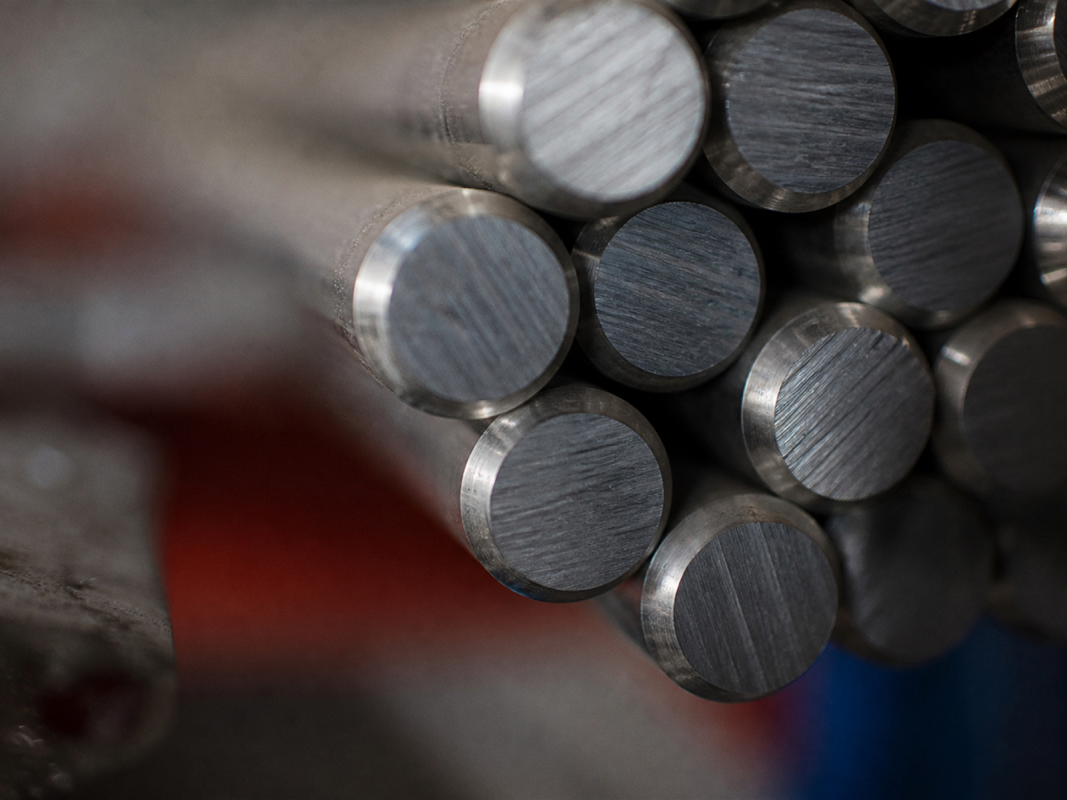
How to Ensure the Gr2 Titanium Bars You Purchase Meet Quality Standards
Gr2 titanium bars (industrial pure titanium) are widely used in chemical processing, marine engineer...
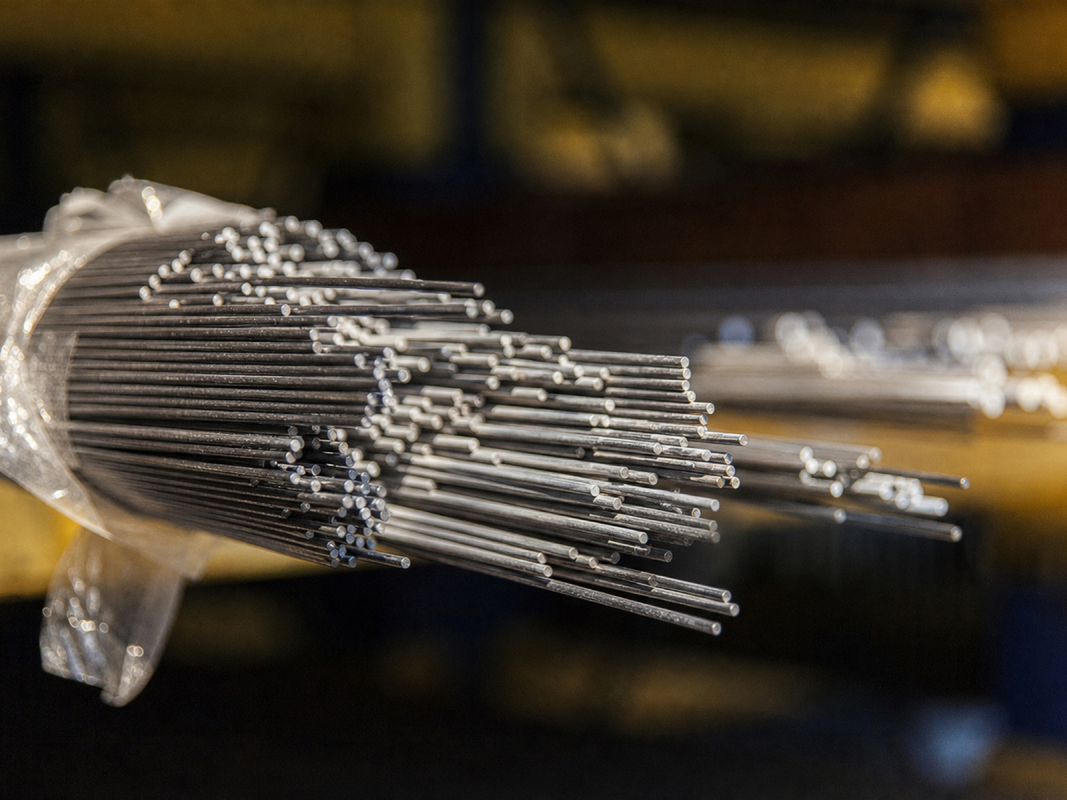
How to Overcome Tool Built-Up Edge Problems When Machining Ni200 Nickel Bars?
Ni200 nickel bars (industrial-grade pure nickel) frequently exhibit tool built-up edge (BUE) during ...
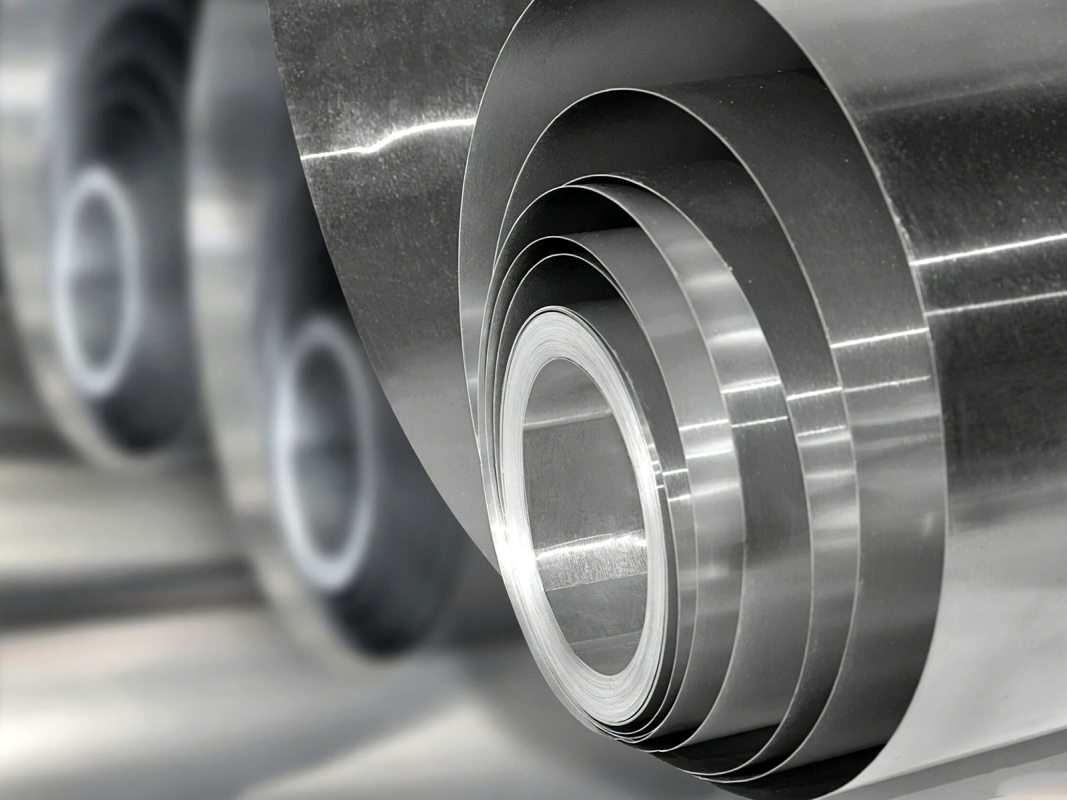
Nickel 200 vs. Nickel 201 Foils: Understanding the Key Differences
1. Chemical Composition
(1) The Decisive Role of Carbon ContentNickel 200 and Nickel 201 both b...