
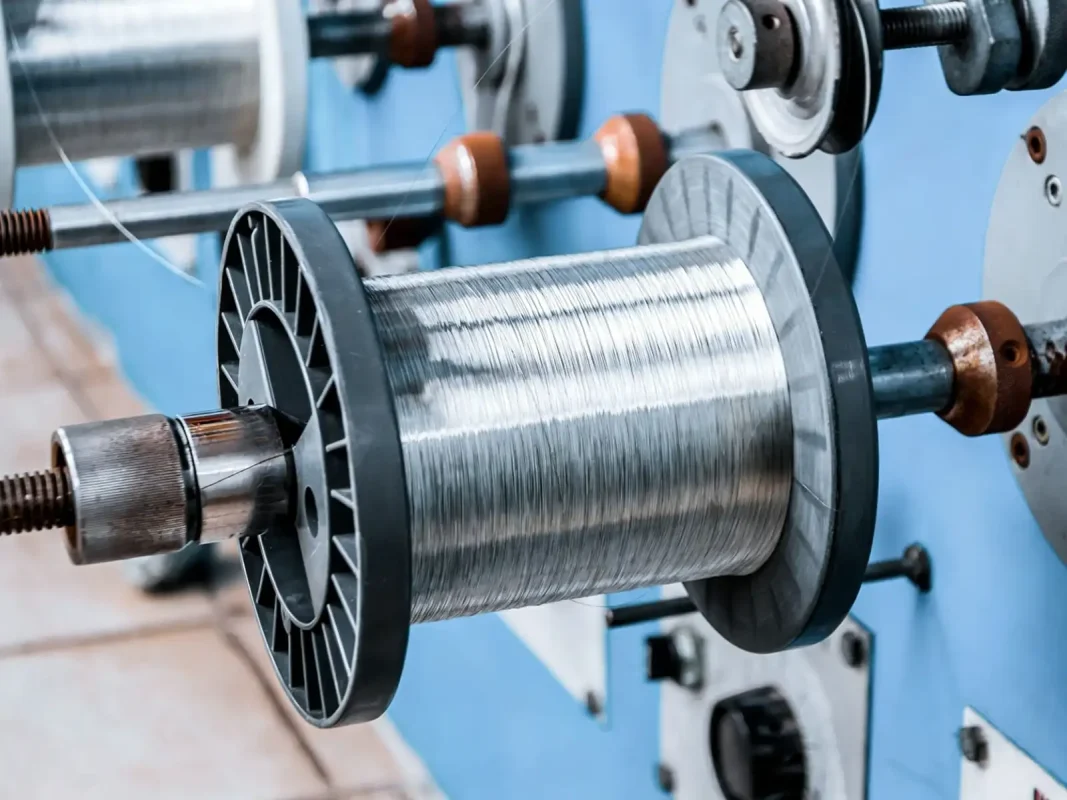
How Can Gr12 Titanium Wire Control Heat Exchanger Crevice Corrosion

When heat exchangers operate in chemical processing, seawater desalination, and energy industries, n...
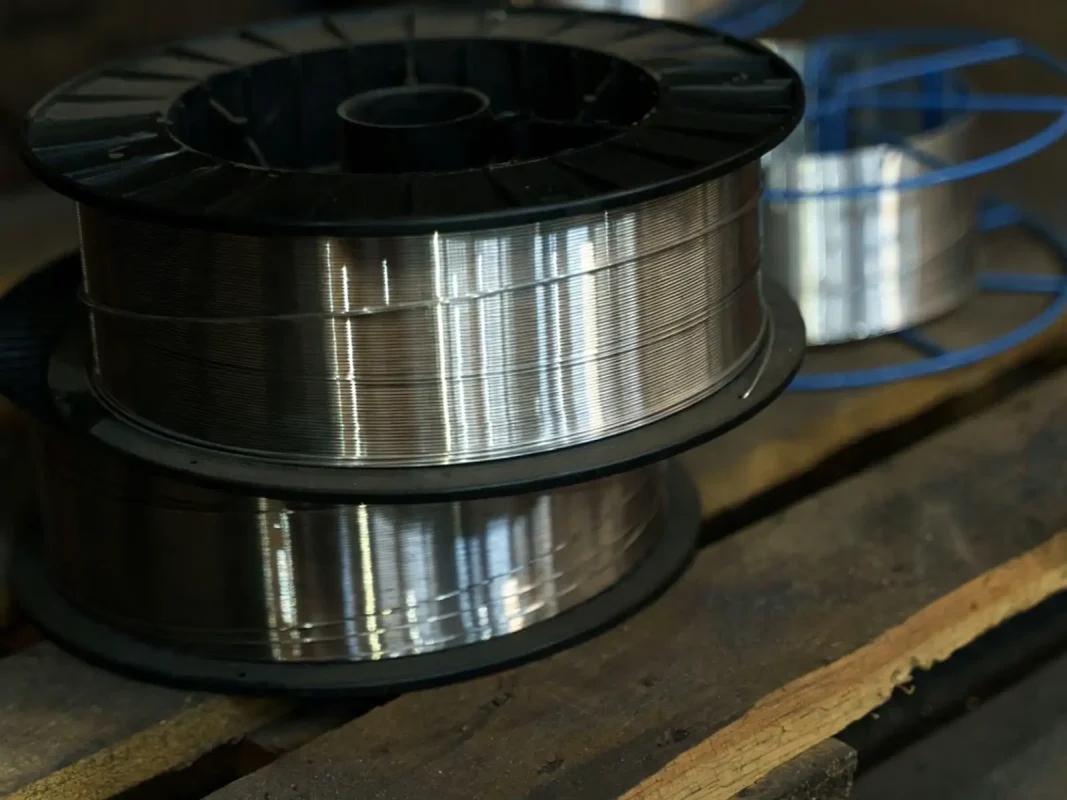
How Does Heat Treatment Affect the Properties of GR1 Titanium Wire?
Heat treatment significantly influences the mechanical properties, formability, and application perf...

How Is GR4 Titanium Foil Applied in the Aerospace Industry?
The aerospace industry places extremely demanding requirements on materials: components must withsta...
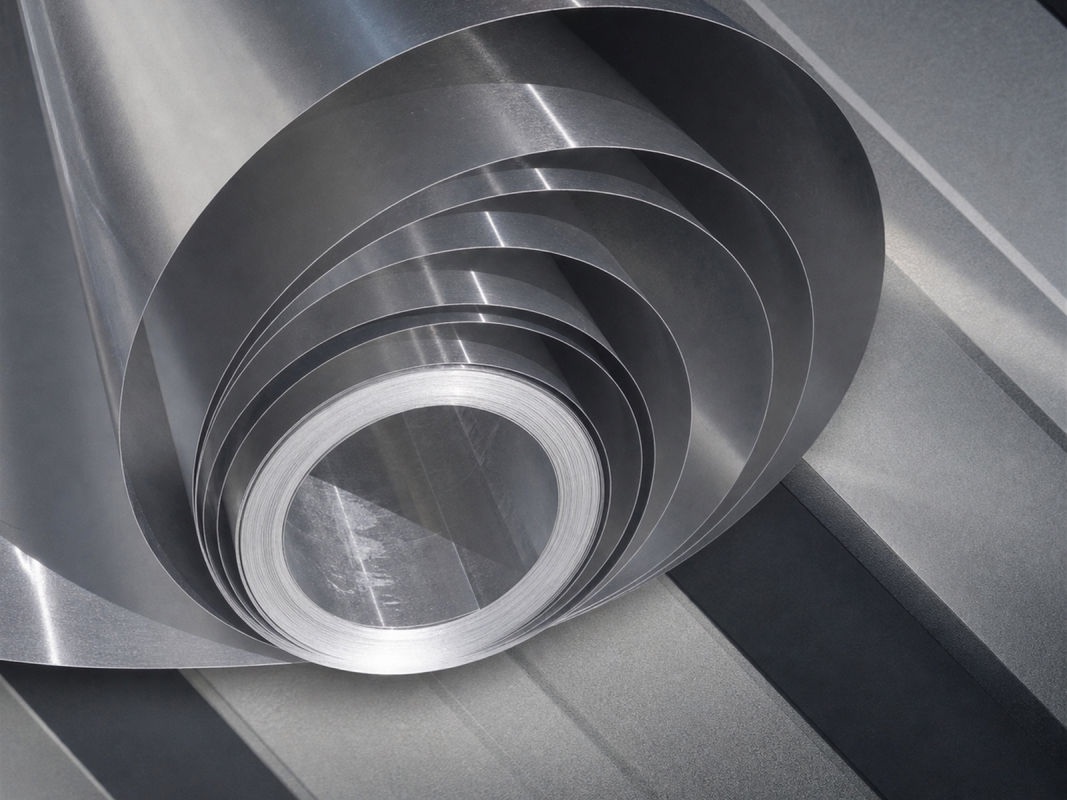
How to Find High-Quality GR1 Titanium Foil Suppliers in the Global Market?
Against the backdrop of global industrial upgrading and new energy transition, GR1 titanium foil has...
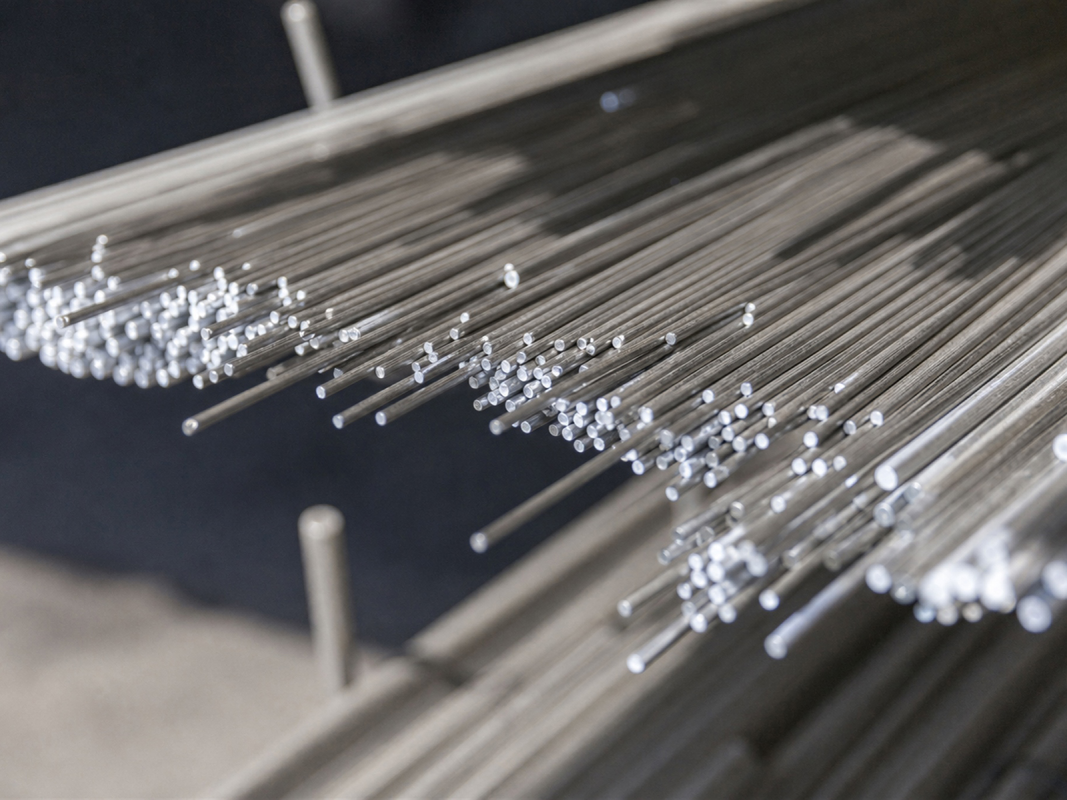
How to Increase the Hardness of GR5 Titanium Bar?
Increasing the hardness of GR5 titanium bar (Ti-6Al-4V) is primarily achieved through heat treatment...
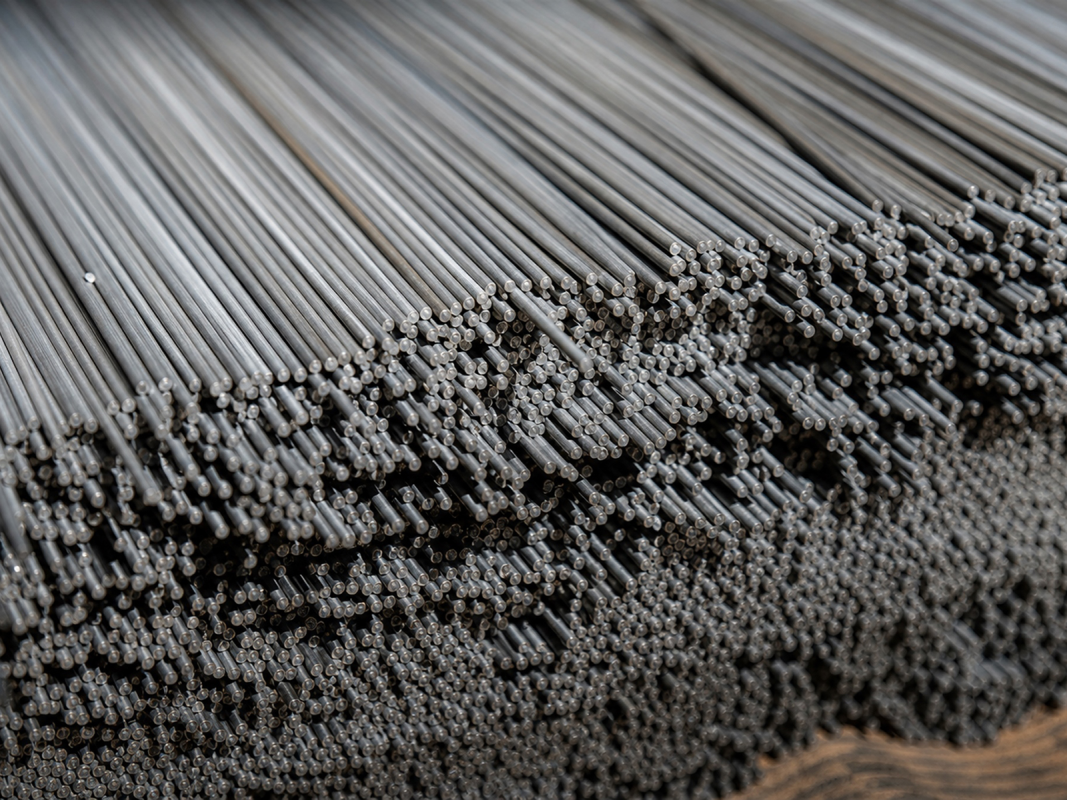
How to Measure the Thickness of the Surface Oxide Layer on GR12 Titanium Bar?
Measuring the oxide layer thickness on GR12 titanium bar requires comprehensive application of multi...
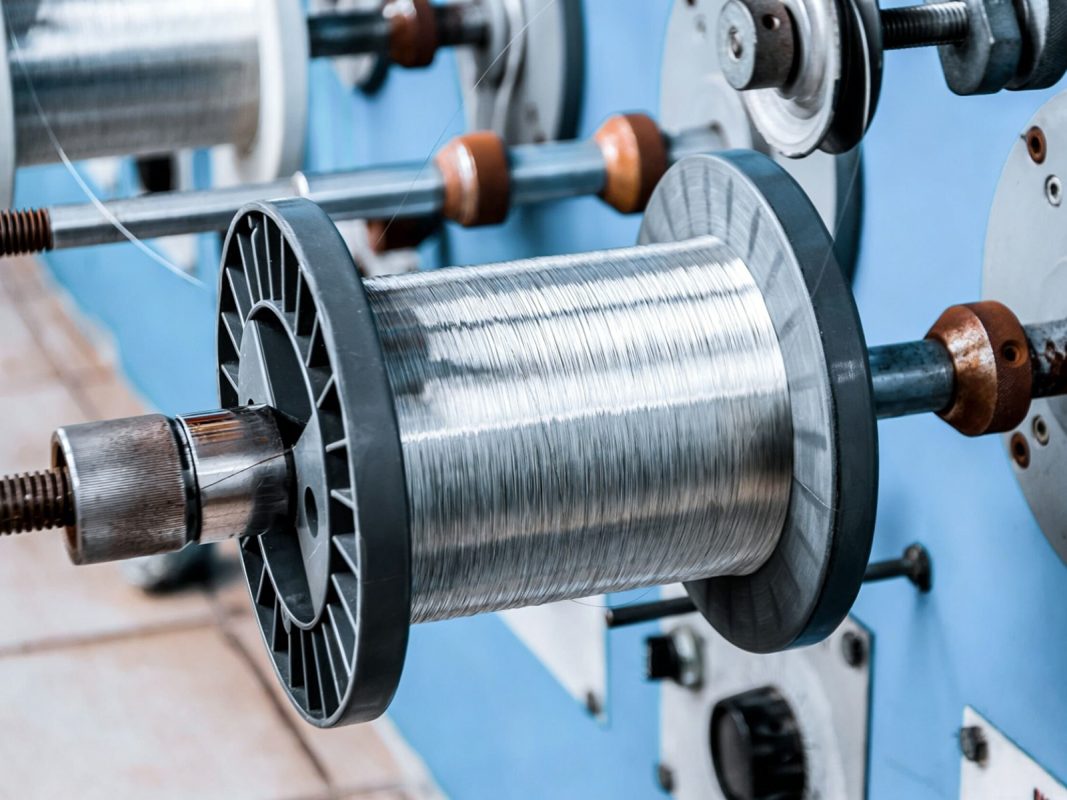
Gr1 Titanium Wire in Dental and Orthopedic Suturing: Which Grade Provides the Best Biocompatibility?
Gr1 Titanium Wire In surgical procedures involving dental and orthopedic suturing, material biocompa...
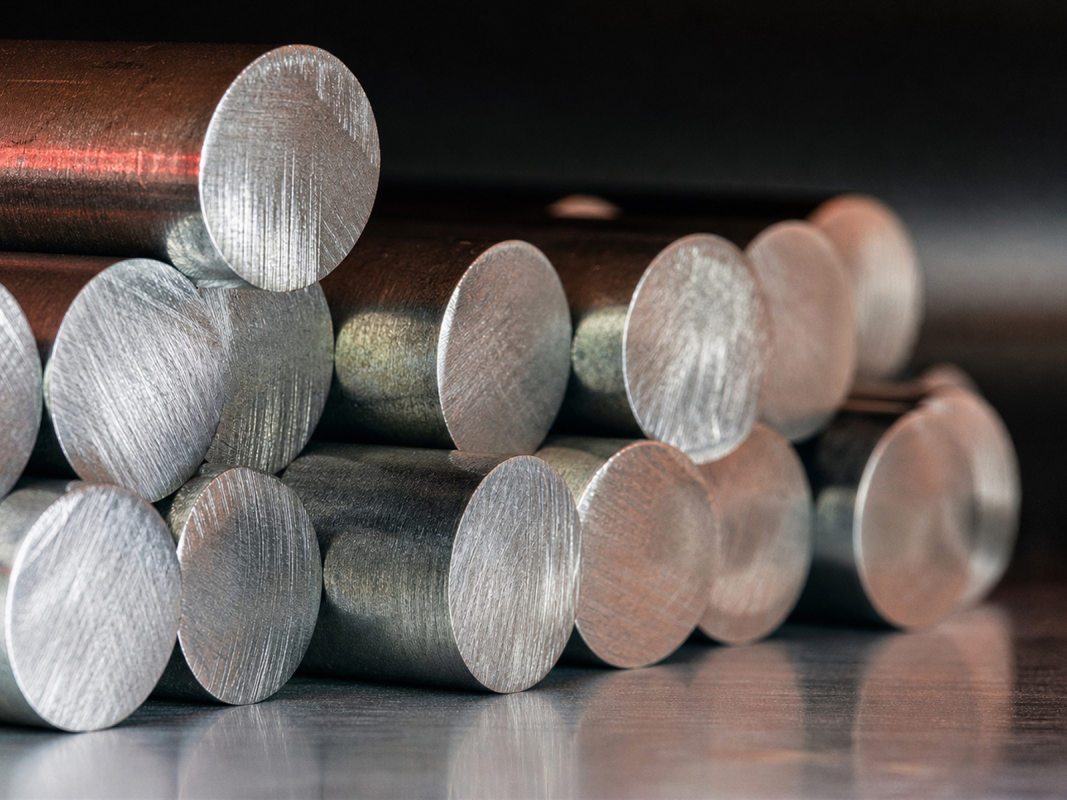
Gr1 Titanium Bar in Orthopedic Implants: A Comprehensive Safety Assessment
Gr1 Titanium Bar Orthopedic implants require materials that combine exceptional biocompatibility, me...
Cold Working Performance and Operating Guide for Industrial Pure Gr1 Titanium Bar: Which Process Offers the Best Formability?
Gr1 Titanium Bar Gr1 commercially pure titanium bar exhibits excellent cold working performance due ...
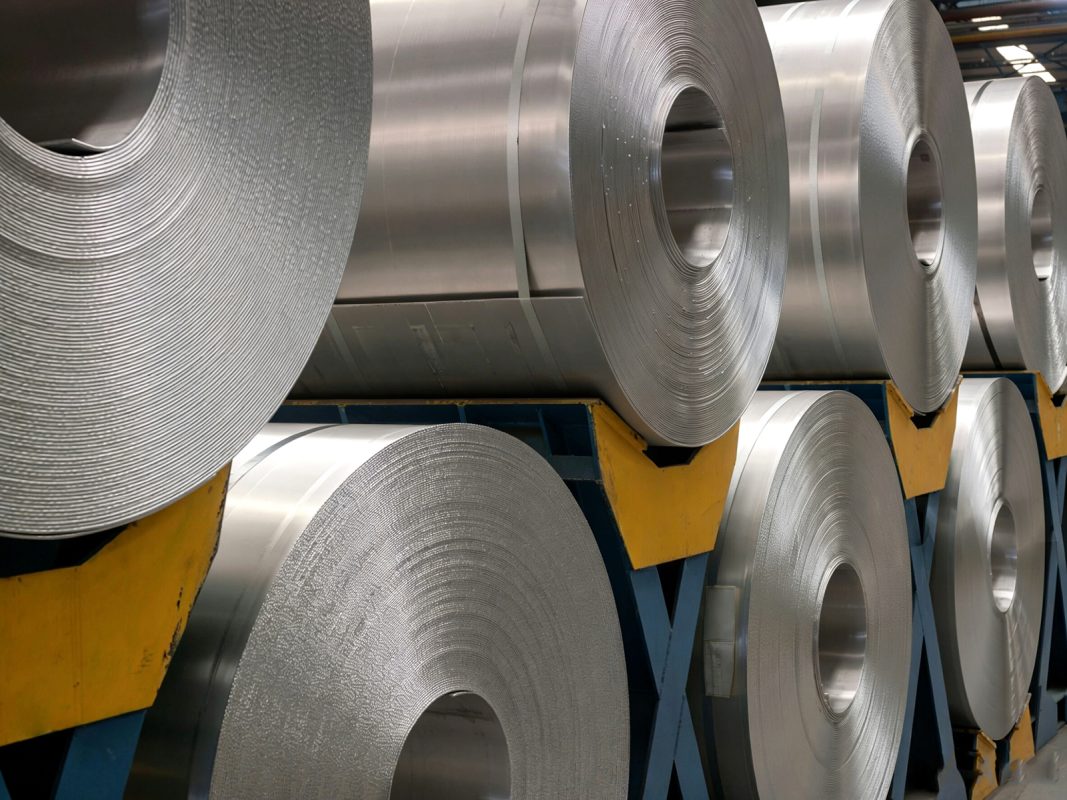
Why Gr1 Commercially Pure Titanium Foil Is the Ideal Choice for Deep Drawing: Which Grade Offers the Best Formability?
Gr1 Titanium Foil Deep drawing is a critical metal forming process used to manufacture complex-shape...